

Hot Products


0102030405
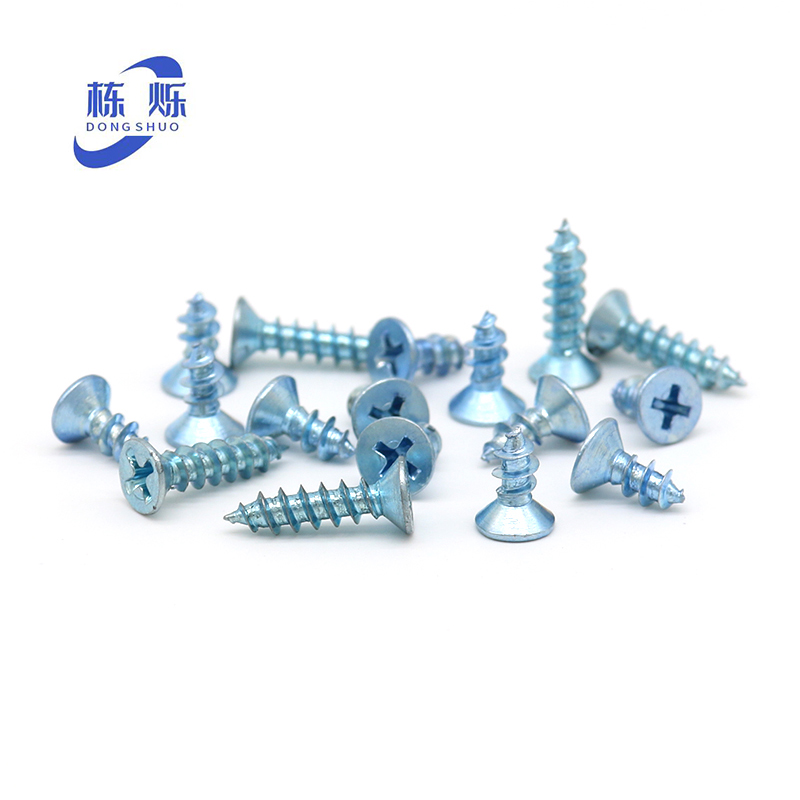
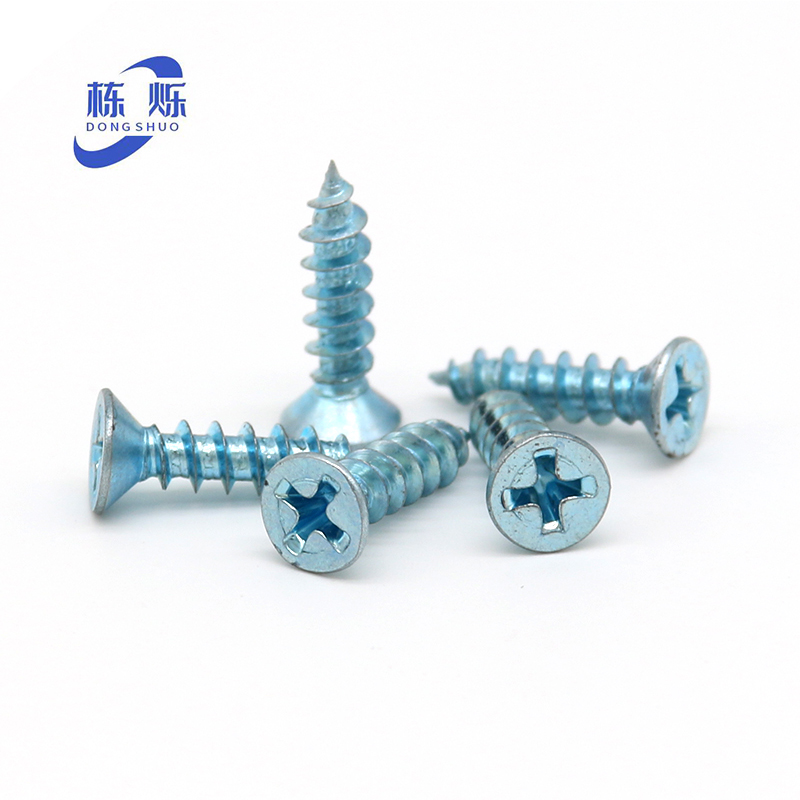
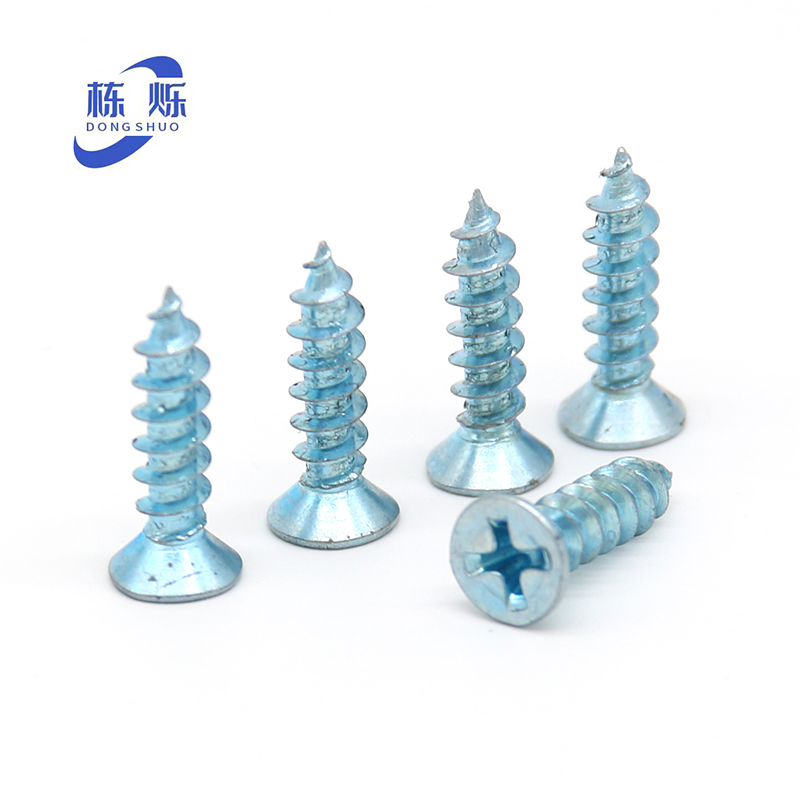
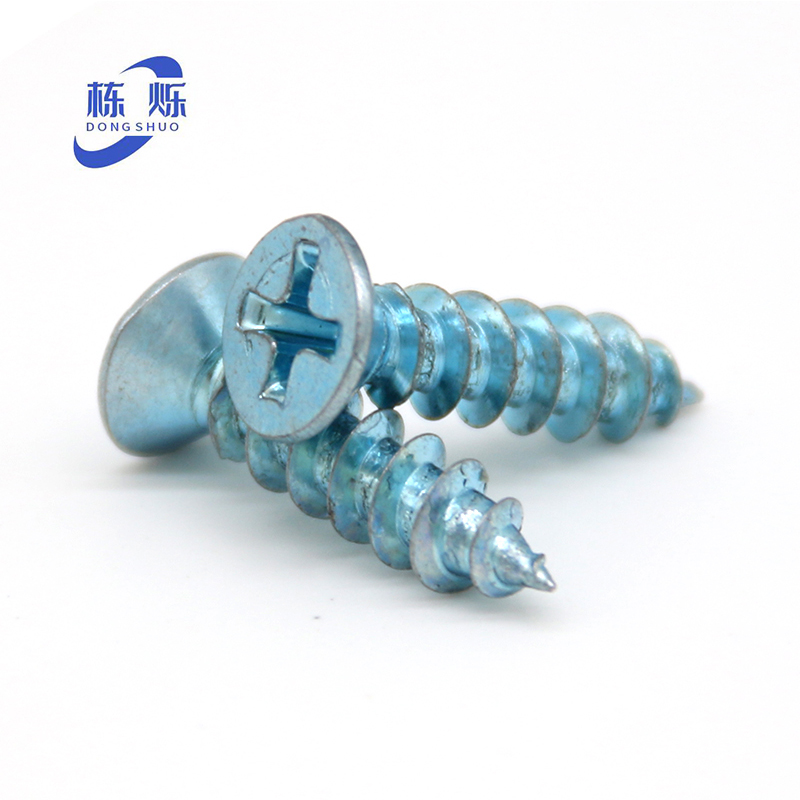
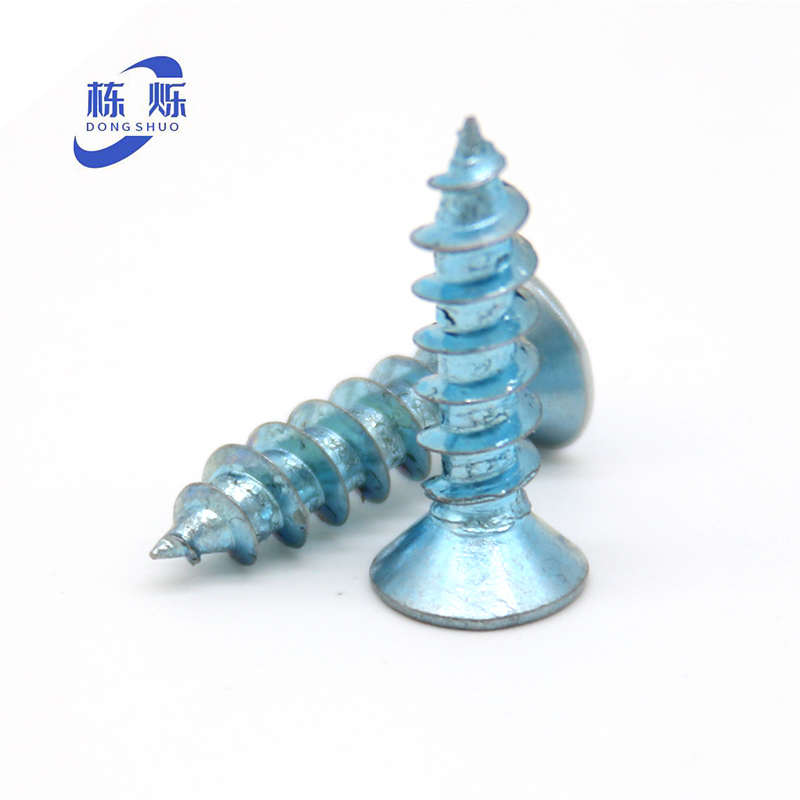
Galvanized Countersunk Cross Tapping Screws from China Suppliers - Reliable Factory Quality for Secure Installations
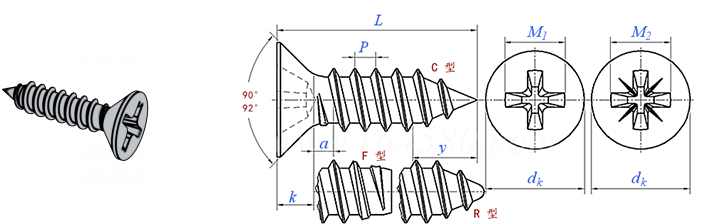
| Thread specifications | ST2.2 | ST2.9 | ST3.5 | ST4.2 | ST4.8 | ST5.5 | ST6.3 | ST8 | ST9.5 | |||
| P | Pitch | 0.8 | 1.1 | 1.3 | 1.4 | 1.6 | 1.8 | 1.8 | 2.1 | 2.1 | ||
| a | Max | 1.6 | 2.2 | 2.6 | 2.8 | 3.2 | 3.6 | 3.6 | 4.2 | 4.2 | ||
| dk | Max | 3.8 | 5.5 | 7.3 | 8.4 | 9.3 | 10.3 | 11.3 | 15.8 | 18.3 | ||
| Min | 3.5 | 5.2 | 6.9 | 8 | 8.9 | 9.9 | 10.9 | 15.4 | 17.8 | |||
| k | Max | 1.1 | 1.7 | 2.35 | 2.6 | 2.8 | 3 | 3.15 | 4.65 | 5.25 | ||
| Slot Number | 0 | 1 | 2 | 2 | 2 | 3 | 3 | 4 | 4 | |||
| M1 | Cruciform | 1.9 | 3.2 | 4.4 | 4.6 | 5.2 | 6.6 | 6.8 | 8.9 | 10 | ||
| M2 | Zigzag slot | 2 | 3 | 4.1 | 4.4 | 4.9 | 6.3 | 6.6 | 8.8 | 9.8 | ||
| y | Reference value | Type C | 2 | 2.6 | 3.2 | 3.7 | 4.3 | 5 | 6 | 7.5 | 8 | |
| Type F | 1.6 | 2.1 | 2.5 | 2.8 | 3.2 | 3.6 | 3.6 | 4.2 | 4.2 | |||
| Type R | / | / | 2.7 | 3.2 | 3.6 | 4.3 | 5 | |||||
How to Choose a Suitable Self Tapping Screw
- 1 Select by Material: Select different self tapping screws based on the material characteristics that need to be nailed in. For example, for hard materials, choose self tapping screws with high strength, appropriate length and diameter.
- 2 According to Thread Selection: Self tapping screws usually have two types: coarse thread and fine thread, and different threads are usually suitable for different materials.
- 3 Select According to the Shape of the Head: The pentagonal head self tapping screw is more sturdy than the ordinary round head self tapping screw, but the price is also relatively high.
Frequently Asked Questions
Q
What is the difference between coarse thread and fine thread self tapping screws?
Coarse thread self tapping screws are typically used for softer materials such as wood, plastic, and light sheet metal, offering faster installation. Fine thread self tapping screws provide stronger holding power and are better suited for harder or thinner metal materials where precision and resistance to loosening are required.
Q
What are the common head types for self tapping screws and when should each be used?
Common head types include flat (countersunk), pan head, hex head, and round head. Flat/countersunk heads sit flush with the surface and are ideal for a clean finish. Pan heads offer a wider bearing surface. Hex heads allow for high torque applications. Round heads are used for general-purpose fastening where a raised head is acceptable.
Q
What does the "ST" designation mean in self tapping screw specifications?
"ST" stands for "Sheet metal Tapping" screw, a standardized designation indicating the screw's nominal outer thread diameter in millimeters. For example, ST4.2 means the screw has a nominal thread diameter of 4.2mm. This standard follows ISO and DIN specifications widely used in the fastener industry.
Q
What is the purpose of galvanizing self tapping screws?
Galvanizing applies a protective zinc coating to the screw surface, significantly improving its resistance to corrosion and rust. This makes galvanized self tapping screws suitable for outdoor applications, humid environments, and contact with materials prone to causing oxidation, extending the service life of the fastening joint.
Q
How do I determine the correct length and diameter of a self tapping screw for my application?
The screw length should generally be at least 2.5 to 3 times the thickness of the material being fastened to ensure adequate grip. The diameter should match the pre-drilled pilot hole size recommended for the specific screw type and material. Refer to the thread specification table above for the correct dimensional parameters for each size.
Q
What are Type C, Type F, and Type R point styles in self tapping screws?
Type C has a blunt point and is used for pre-drilled holes in heavier sheet metal. Type F features a fine, tapered point that can self-pierce thin metal sheets without a pre-drilled hole, offering faster installation. Type R has a rounded point and is commonly used for softer materials and plastic applications, reducing the risk of cracking or splitting.