Leave Your Message
Engineered for high-vibration and dynamic load environments in modern transportation.
An in-depth exploration of industrial standards, commercial market trends, and advanced engineering applications shaping the future of vehicular fastening systems.
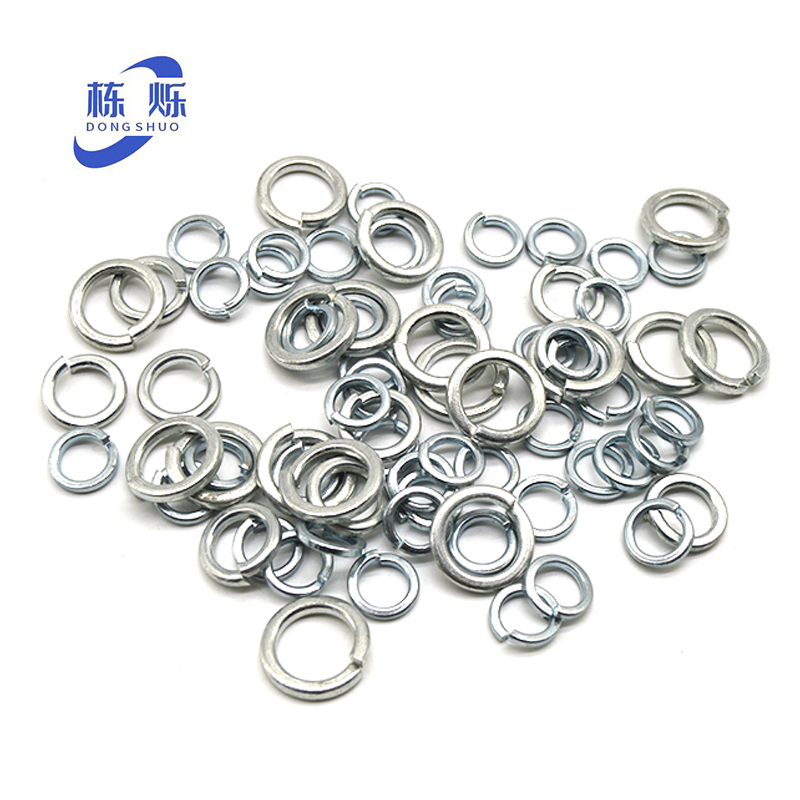
In the highly demanding sectors of automotive manufacturing and heavy transportation, the integrity of a vehicle is fundamentally reliant on the microscopic tension held by its fasteners. A Washer Lock Washer for Automotive & Transportation is not merely a supplementary piece of hardware; it is a vital engineering component designed to prevent the catastrophic loosening of bolted joints under extreme dynamic loads, high-frequency vibrations, and severe thermal cycling. Every passenger car, commercial truck, and high-speed railway system contains thousands of these critical components, working silently to ensure structural integrity and passenger safety.
The mechanical principle behind a lock washer is elegant yet robust. Unlike standard plain washers that primarily serve to distribute the load of a threaded fastener over a larger surface area, lock washers are specifically engineered to exert a continuous spring force or utilize mechanical biting action (such as internal or external teeth) to maintain preload. In an automotive environment, where engines vibrate at thousands of revolutions per minute and chassis components endure the brutal impacts of uneven roadways, this preload is the only thing preventing a bolt from backing out. Once a bolt loses its tension, the sheer forces acting on the joint multiply exponentially, leading to rapid mechanical failure, potential accidents, and costly recalls.
Studies in automotive engineering show that transverse vibrations are the primary cause of fastener self-loosening. Spring lock washers (like the DIN 127) counteract this by absorbing the micro-movements and maintaining the axial tension required to keep the bolt threads locked against the nut threads.
The global market for automotive fasteners, and specifically lock washers, is currently experiencing a massive paradigm shift. Valued at tens of billions of dollars globally, the market is being aggressively reshaped by the rapid transition from Internal Combustion Engine (ICE) vehicles to Electric Vehicles (EVs). This transition has introduced entirely new commercial requirements and industrial standards for fastener manufacturers.
Historically, the automotive supply chain prioritized cost-efficiency and high-volume output. Today, the emphasis has shifted dramatically toward lightweighting, extreme corrosion resistance, and electrical insulation or conductivity. Electric vehicles inherently possess different vibration signatures compared to ICE vehicles. While the deep, rumbling vibrations of a combustion engine are absent, EVs produce high-frequency oscillations from electric motors and road noise that is no longer masked by engine sounds. Consequently, the specifications for a Washer Lock Washer for Automotive & Transportation have become more stringent, requiring advanced metallurgy and precision stamping to ensure they do not introduce harmonic resonances into the vehicle's chassis.
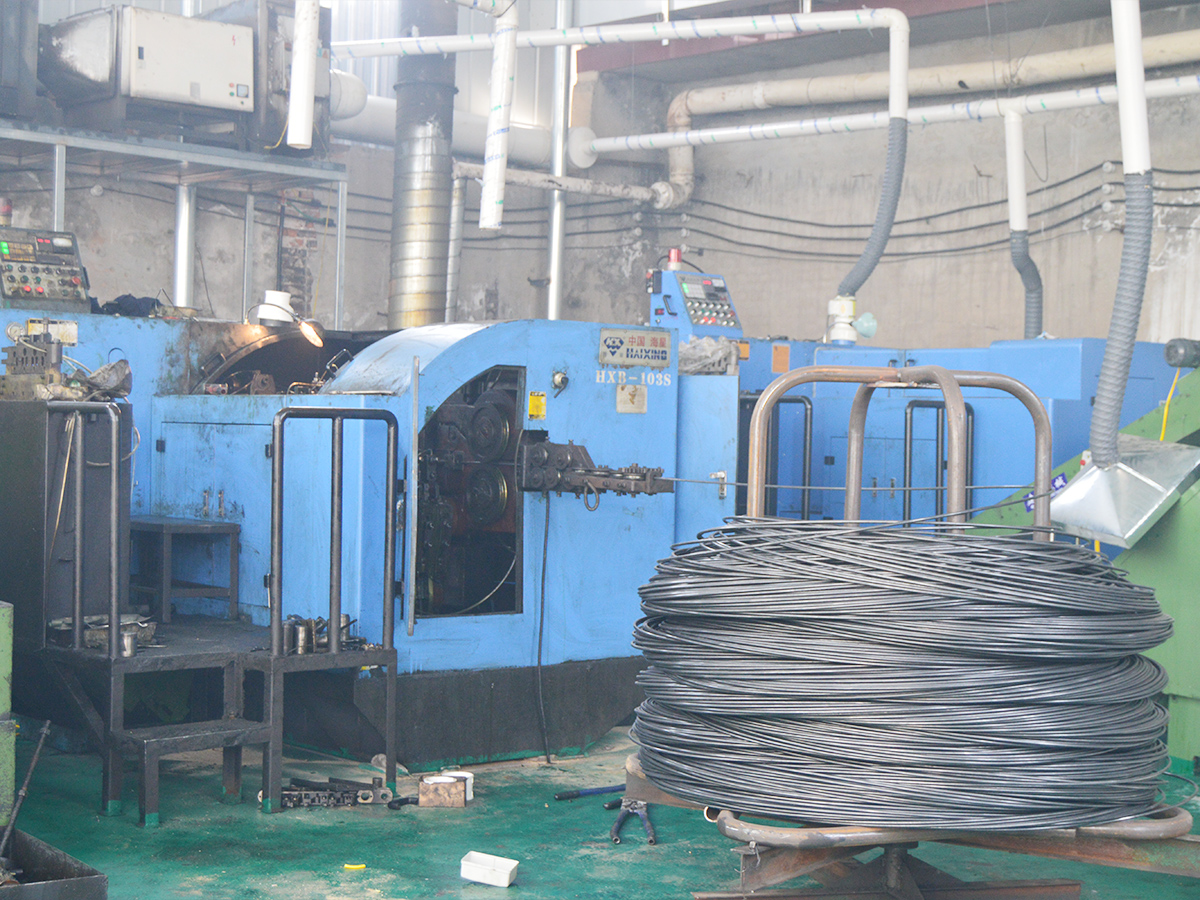
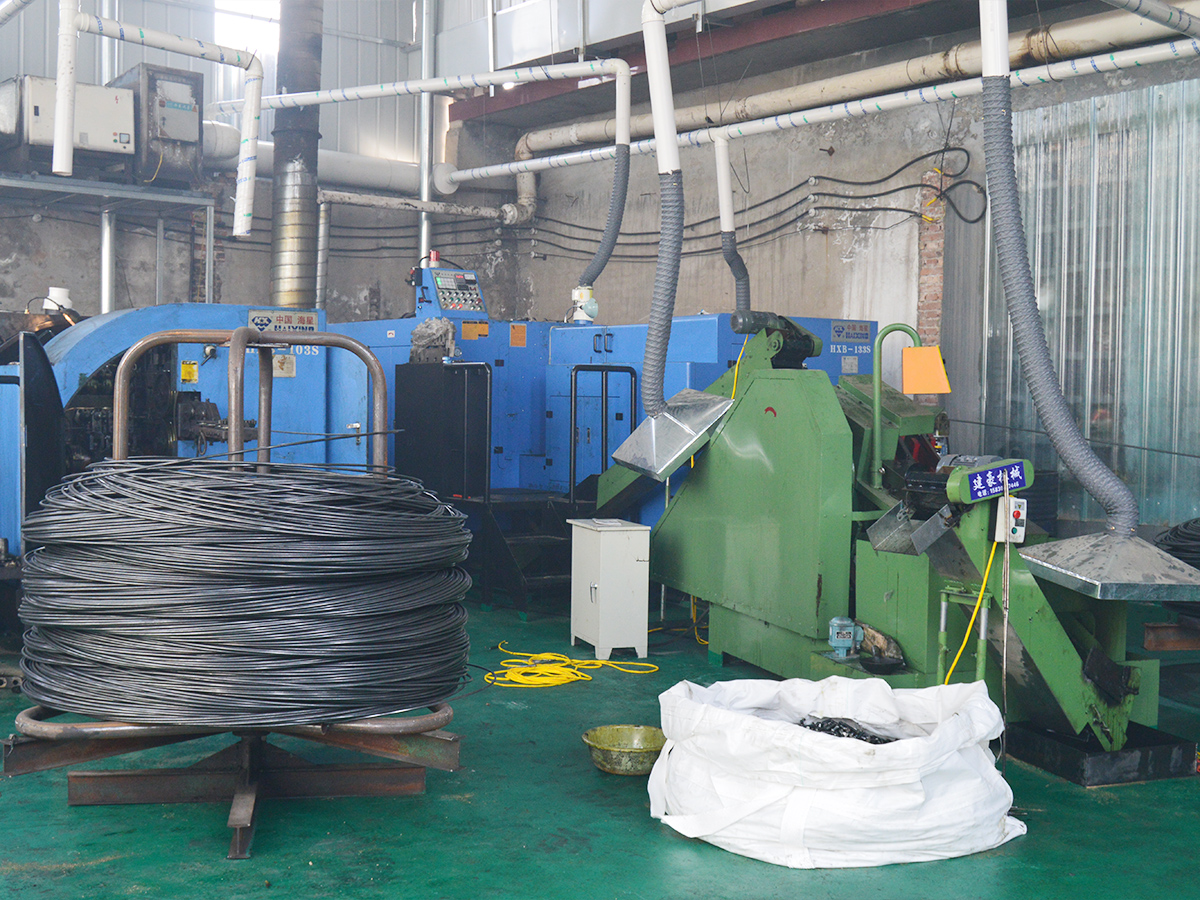
Commercially, Original Equipment Manufacturers (OEMs) and Tier 1 suppliers are consolidating their supply chains, seeking manufacturing partners who can provide not just high-volume production, but AI-driven quality assurance. Facilities that hold IATF 16949 certification—the global technical specification and quality management standard for the automotive industry—are in high demand. Manufacturers located in globally recognized industrial hubs, such as the Handan Yongnian District, are perfectly positioned to meet these demands. By leveraging economies of scale, advanced automated production lines, and rigorous metallurgical testing, these enterprises provide the backbone for global automotive assembly lines.
To truly understand the value of specialized lock washers, we must dissect their applications across various subsystems within the transportation sector. Each domain presents a unique set of harsh environmental and mechanical challenges.
In traditional ICE vehicles, the engine block, exhaust manifolds, and transmission housings are subjected to extreme thermal expansion and contraction. Temperatures can swing from sub-zero environmental conditions to over 600°C near the exhaust. When metals expand and contract at different rates, standard bolted joints lose their preload. High-temperature alloy spring lock washers are deployed here to act as a mechanical buffer. They compress and expand in harmony with the thermal cycling, ensuring that the clamp load remains constant and preventing the leakage of oil, coolant, or exhaust gases.
The undercarriage of a vehicle is a hostile environment. Fasteners here are constantly bombarded by road debris, water, ice, and highly corrosive de-icing salts. For heavy-duty commercial trucks and railway bogies, the dynamic loads are immense. A Galvanized Spring Washer (such as the DIN 127 blackened or galvanized variants) is critical in these applications. The galvanization process provides a sacrificial zinc layer that prevents red rust from degrading the steel, while the spring action absorbs the violent shocks of potholes and uneven train tracks. Without these lock washers, suspension linkages would quickly rattle loose, leading to catastrophic loss of vehicle control.
The rise of EVs has introduced the battery pack as the most critical and expensive component of the vehicle. Battery enclosures must achieve strict IP67 or IP68 ratings to prevent water ingress, which could cause catastrophic short circuits or thermal runaway. The fasteners securing these massive battery trays to the vehicle chassis utilize advanced lock washer assemblies. Furthermore, specific toothed lock washers are used within the electrical grounding systems. The teeth bite through the anodized or painted surfaces of the aluminum chassis to ensure a perfect, uninterrupted electrical ground path, which is vital for the vehicle's high-voltage safety systems.
High-strength lock washers used in EV structural components must undergo careful baking processes after electroplating (like galvanization) to release trapped hydrogen. This prevents hydrogen embrittlement, ensuring the washer doesn't shatter under sudden impact loads during a collision.
The future of the Washer Lock Washer for Automotive & Transportation is being written by the integration of Industry 4.0 technologies and the relentless pursuit of material science innovations. As vehicles become more advanced, the components holding them together must evolve in tandem.
In modern fastener manufacturing, human visual inspection is no longer sufficient to meet the zero-defect mandates of automotive OEMs. Artificial Intelligence is now deployed on the factory floor. High-speed Automated Optical Inspection (AOI) machines use machine learning algorithms to scan thousands of lock washers per minute. These AI systems can detect microscopic surface cracks, dimensional deviations of less than a millimeter, and plating inconsistencies that a human eye would miss. This ensures that every single washer delivered to an automotive assembly line is structurally perfect, drastically reducing the risk of joint failure.
While traditional hot-dip galvanizing remains popular, the automotive industry is rapidly adopting advanced surface treatments. Zinc-Nickel alloy plating and proprietary flake coatings (such as Geomet® or Dacromet®) are becoming the new standard. These ultra-thin coatings provide over 1,000 hours of salt spray resistance without altering the dimensional tolerances of the lock washer. This is particularly crucial for the aerospace and marine transportation sectors, where environmental corrosion is severe.
To maximize the range of electric vehicles and reduce the carbon footprint of commercial aircraft, every gram of weight is scrutinized. Fastener manufacturers are increasingly utilizing lightweight materials such as Titanium alloys and high-strength Aluminum for specific applications. While steel remains the dominant material for lock washers due to its excellent spring memory and tensile strength, hybrid assemblies and specialized composite washers are being researched to provide locking capabilities without the weight penalty of solid steel.
The production of a reliable lock washer is governed by strict international standards. Whether it is the DIN 125 Galvanized Plain Washer used for load distribution, or the DIN 127 Spring Washer used for tensioning, adherence to metallurgical specifications is non-negotiable. Automotive washers are typically stamped from high-carbon spring steel (such as 65Mn or SAE 1060). After stamping, they undergo a precise heat treatment process—quenching and tempering—to achieve the perfect balance between hardness (to prevent flattening under load) and ductility (to prevent snapping under stress).
Compliance with standards like ISO, DIN, ANSI, and JIS ensures global interoperability. When a multinational automotive manufacturer designs a vehicle in Germany, sources components from China, and assembles the car in Mexico, the lock washers must perform identically regardless of their origin. This global standardization is what allows companies like Handan Yongnian District Dongshuo Fastener Manufacturing Co., Ltd. to successfully supply solutions across various industries worldwide.
Handan Yongnian District Dongshuo Fastener Manufacturing Co., Ltd. was established in 2015. It is an enterprise specializing in the production and operation of fasteners. Our company is committed to providing high-quality fastener products and providing customers with comprehensive solutions in various industries.
Learn More About Our Capabilities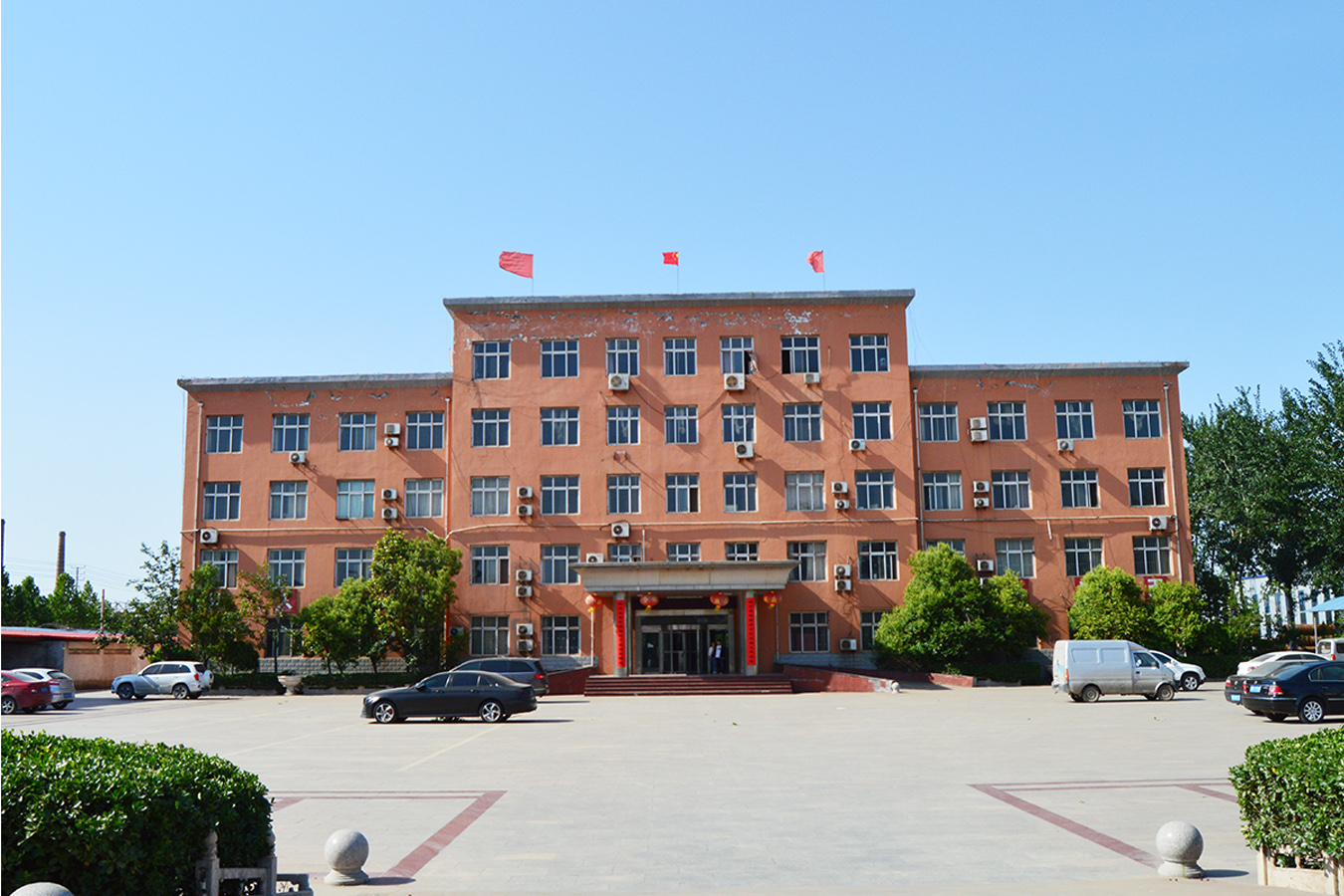
Partner with us for your next-generation transportation engineering projects.
Stay updated with the latest advancements in fastener technology.
Explore our full range of high-performance lock washers, bolts, and nuts designed specifically for the rigorous demands of the transportation industry.