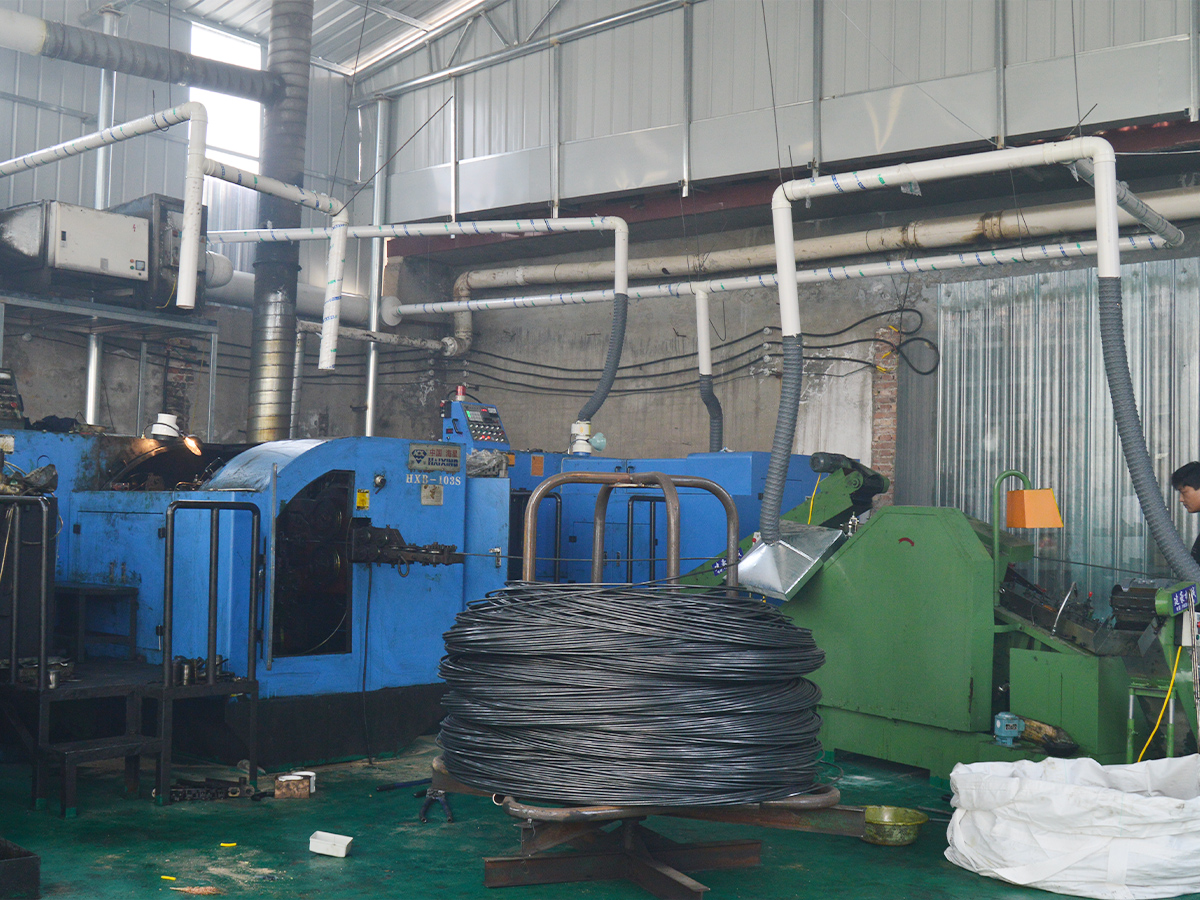
Industry Overview: Fastening Solutions in Electrical & Power Grid Infrastructure
The global electrical and power grid infrastructure sector represents one of the most critical and rapidly evolving industries in the modern world. As nations worldwide invest heavily in upgrading aging electrical infrastructure and expanding renewable energy integration, the demand for specialized fastening solutions has reached unprecedented levels. Studs and bolts designed specifically for electrical and power grid installation play an indispensable role in ensuring the structural integrity, operational safety, and long-term reliability of these essential systems.
The power grid infrastructure market is projected to exceed $350 billion globally by 2028, driven by smart grid initiatives, renewable energy expansion, and infrastructure modernization programs. Within this massive market, fastening components including studs, bolts, anchors, and specialized connectors represent a significant segment, estimated at approximately $12-15 billion annually. These seemingly modest components serve as the foundational elements that hold together transmission towers, substation equipment, transformer installations, switchgear assemblies, and countless other critical infrastructure components.
🔧Critical Performance Requirements
Fasteners used in electrical and power grid applications must meet extraordinarily demanding specifications. These components operate in environments characterized by extreme weather conditions, significant mechanical stress, electrical interference, corrosive atmospheres, and thermal cycling. Unlike standard industrial fasteners, power grid studs and bolts must maintain their structural integrity and electrical properties over decades of continuous operation, often in remote locations where maintenance access is limited and failure consequences are severe.
Material Science and Engineering Excellence
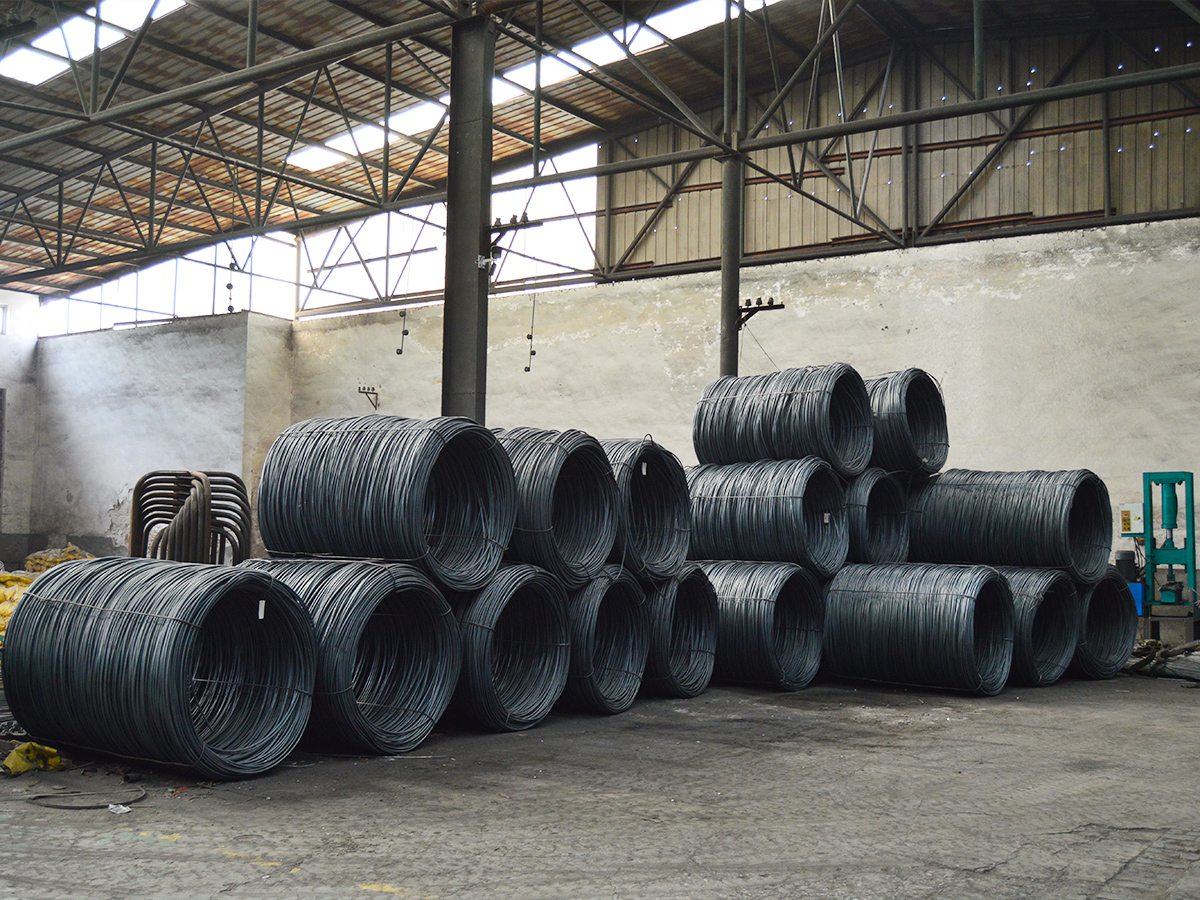
Modern power grid fasteners are engineered using advanced metallurgical processes and specialized coatings. High-strength steel alloys, typically grade 8.8 or higher, provide the necessary tensile strength and fatigue resistance. Galvanization processes, including hot-dip galvanizing and mechanical galvanizing, offer superior corrosion protection essential for outdoor installations exposed to moisture, salt spray, and industrial pollutants. Some applications demand stainless steel variants, particularly in coastal environments or chemical processing facilities where corrosion resistance is paramount.
The surface treatment of power grid fasteners has evolved significantly. Traditional zinc coatings have been supplemented with advanced multi-layer protection systems incorporating zinc-nickel alloys, geomet coatings, and specialized organic topcoats. These sophisticated surface treatments can extend fastener service life from 15-20 years to 40-50 years or more, dramatically reducing lifecycle costs and maintenance requirements while improving grid reliability.
⚙️
High Tensile Strength
Grade 8.8 and above for maximum load-bearing capacity in critical structural applications
🛡️
Corrosion Resistance
Advanced galvanization and coating technologies for extended service life in harsh environments
🌡️
Thermal Stability
Engineered to withstand extreme temperature variations without compromising performance
⚡
Electrical Safety
Designed to prevent electrical arcing and maintain proper grounding connections
🔒
Vibration Resistance
Specialized locking mechanisms prevent loosening under continuous vibration and dynamic loads
📋
Standards Compliance
Manufactured to meet international standards including DIN, ISO, ASTM, and IEC specifications
Application Scenarios in Power Grid Infrastructure
-
Transmission Tower Assembly: High-strength bolts and studs secure lattice tower sections, cross-arms, and conductor support hardware. These fasteners must withstand wind loads exceeding 150 mph, ice accumulation, and conductor tension forces while maintaining structural alignment over 50+ year service lives.
-
Substation Equipment Installation: Transformer mounting, busbar connections, circuit breaker assemblies, and disconnect switch installations all rely on specialized fasteners. These applications demand precise torque specifications, electrical conductivity considerations, and thermal expansion accommodation.
-
Solar Farm Construction: The explosive growth of utility-scale solar installations has created massive demand for corrosion-resistant fasteners. Mounting structures, tracker systems, and electrical enclosures require thousands of specialized bolts per megawatt of installed capacity.
-
Wind Turbine Infrastructure: Tower section connections, nacelle mounting, and foundation anchor bolts represent some of the most demanding fastener applications. These components must handle enormous static and dynamic loads while maintaining fatigue resistance through millions of stress cycles.
-
Underground Distribution Systems: Vault covers, cable tray systems, and underground equipment enclosures utilize specialized stainless steel and coated fasteners designed for high-humidity environments and potential submersion conditions.
-
Smart Grid Technology Integration: Modern grid monitoring equipment, sensor networks, and communication infrastructure require specialized fasteners that accommodate electronic components while maintaining electromagnetic compatibility.
Industry Trends and Future Development
The fastener industry serving electrical and power grid applications is experiencing transformative changes driven by several converging trends. Digital manufacturing technologies including additive manufacturing and precision CNC machining enable production of increasingly complex fastener geometries optimized through computational modeling. These advanced designs can reduce weight while improving strength, incorporate integrated locking features, and facilitate faster installation procedures.
Sustainability considerations are reshaping material selection and manufacturing processes. Recycled steel content in fastener production has increased significantly, with some manufacturers achieving 90%+ recycled content without compromising performance. Surface treatment processes are transitioning toward lower environmental impact alternatives, eliminating hexavalent chromium and reducing heavy metal content while maintaining or improving corrosion resistance.
Smart fastener technology represents an emerging frontier. Embedded sensors can monitor bolt tension, detect corrosion progression, and provide real-time structural health data. While currently limited to critical applications due to cost considerations, these intelligent fastening systems are expected to become increasingly prevalent as sensor costs decline and grid operators prioritize predictive maintenance strategies.
-40°C to +80°C
Operating Range
ISO 9001
Quality Certified
Quality Standards and Certification Requirements
Power grid fasteners must comply with rigorous international standards and utility-specific requirements. DIN standards (particularly DIN 933, DIN 931, DIN 6921) provide dimensional and mechanical property specifications widely adopted throughout Europe and increasingly globally. ISO standards offer internationally harmonized specifications, while ASTM standards dominate North American markets. Additionally, utilities often impose supplementary requirements addressing specific environmental conditions, installation procedures, and long-term performance expectations.
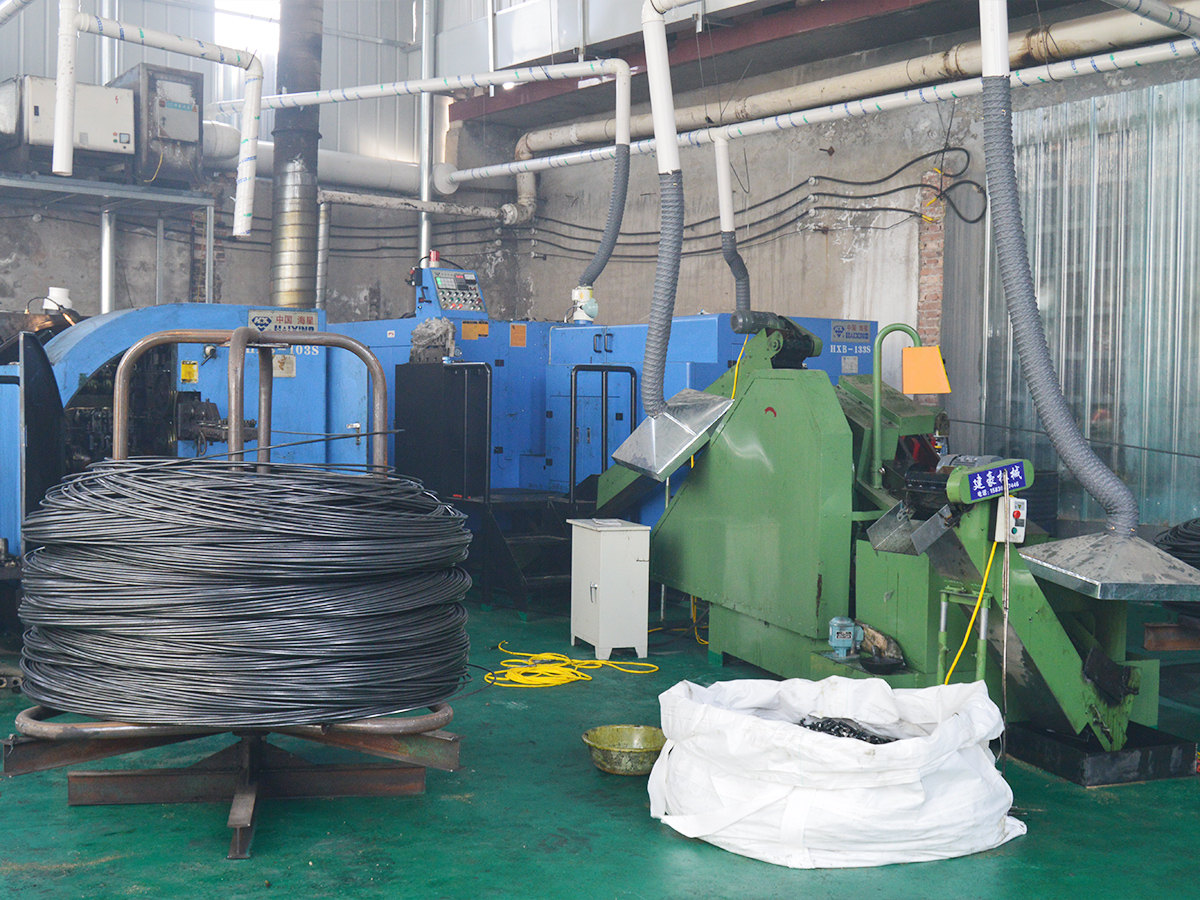
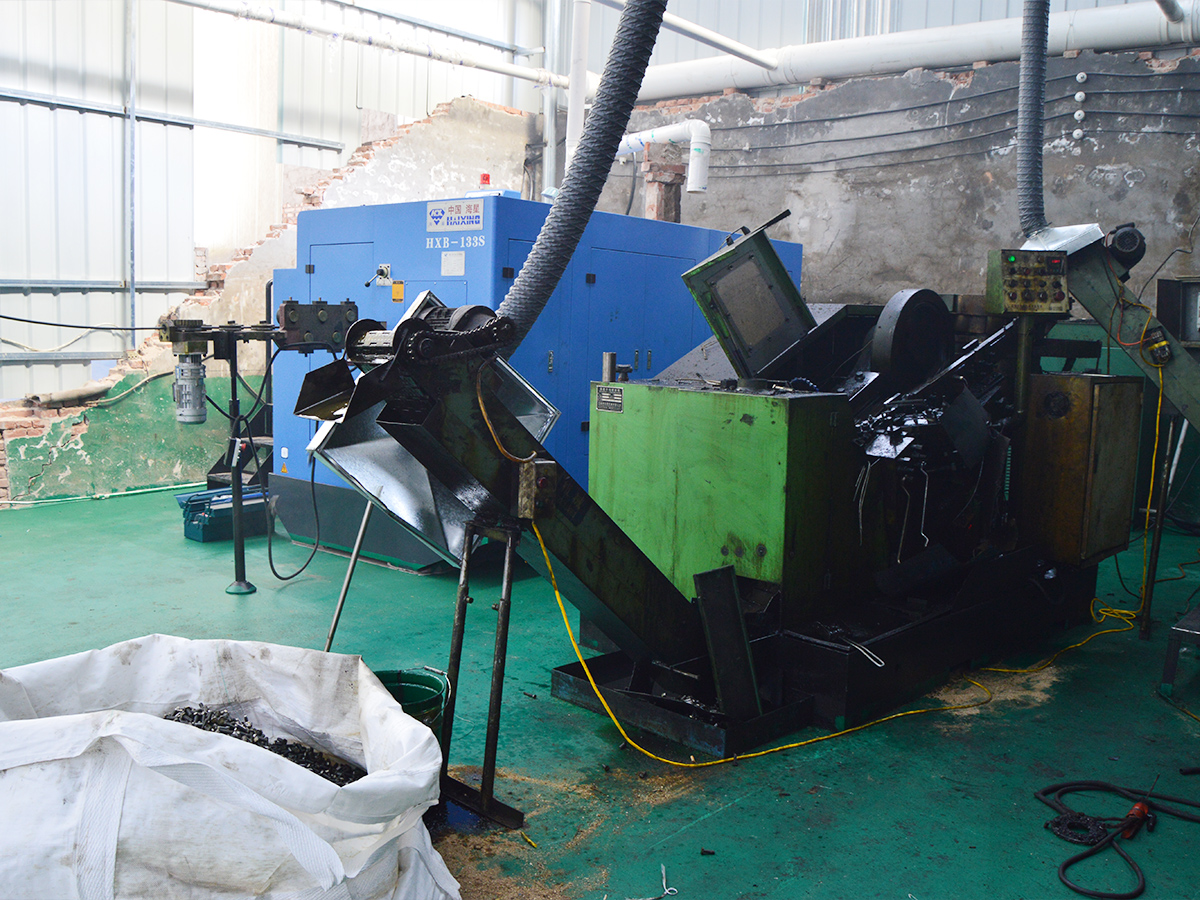
Manufacturing quality control extends beyond dimensional verification to include mechanical testing (tensile strength, proof load, hardness), metallurgical analysis (grain structure, case depth, surface hardness), coating thickness measurement, salt spray testing, and hydrogen embrittlement evaluation. Leading manufacturers implement comprehensive quality management systems certified to ISO 9001, with many also maintaining ISO 14001 environmental management and ISO 45001 occupational health and safety certifications.
Supply Chain and Market Dynamics
The global market for power grid fasteners exhibits distinct regional characteristics. Asia-Pacific represents the largest market, driven by massive infrastructure investments in China, India, and Southeast Asian nations. North America shows steady growth fueled by grid modernization initiatives and renewable energy expansion. Europe emphasizes high-performance, environmentally sustainable fastening solutions aligned with stringent regulatory frameworks.
Supply chain resilience has become increasingly important following recent global disruptions. Utilities and contractors are diversifying supplier bases, increasing inventory buffers for critical fastener types, and emphasizing relationships with manufacturers demonstrating robust quality systems and reliable delivery performance. This trend benefits established manufacturers with proven track records and comprehensive product portfolios.
Installation Best Practices
Proper installation procedures are essential to realize the full performance potential of high-quality fasteners. Torque specifications must be precisely followed using calibrated tools. Thread lubricants should be applied according to manufacturer recommendations to achieve proper preload while preventing galling. Anti-seize compounds are often specified for stainless steel applications. Installation documentation, including torque verification records, provides valuable data for future maintenance planning and helps identify potential issues before they result in failures.
Economic Considerations and Value Proposition
While high-performance power grid fasteners command premium pricing compared to general industrial fasteners, lifecycle cost analysis consistently demonstrates their economic value. Extended service life reduces replacement frequency and associated labor costs. Superior corrosion resistance minimizes maintenance requirements and prevents costly emergency repairs. Enhanced reliability reduces outage risk and associated revenue losses. For critical infrastructure applications, the incremental cost of premium fasteners represents a minor fraction of total project cost while providing substantial risk mitigation and long-term value.
Forward-thinking utilities increasingly evaluate fastener procurement through total cost of ownership frameworks rather than initial purchase price alone. This analytical approach recognizes that fastener failures can trigger cascading consequences including equipment damage, service interruptions, emergency response mobilization, regulatory penalties, and reputation damage—costs that dwarf the savings from selecting lower-quality alternatives.
Innovation and Continuous Improvement
Leading fastener manufacturers invest continuously in research and development, collaborating with utilities, engineering firms, and research institutions to advance fastening technology. Recent innovations include ultra-high-strength steel grades enabling weight reduction, advanced coating systems providing enhanced corrosion protection, integrated locking features eliminating separate lock washers, and specialized designs optimizing installation efficiency. These incremental improvements compound over time, delivering measurable performance advantages and cost reductions.
The integration of digital technologies throughout the fastener lifecycle represents another innovation frontier. Digital twins enable virtual testing of fastener performance under various loading conditions. Blockchain-based traceability systems provide comprehensive product genealogy from raw material sourcing through installation. Augmented reality installation guidance helps field personnel apply correct procedures consistently. These technologies enhance quality, reduce errors, and provide unprecedented visibility into fastener performance.