
Leave Your Message
Engineered for high tensile strength and flush surface integration in automated systems.
In the complex ecosystem of modern manufacturing, the structural integrity of any machinery or equipment relies heavily on the quality of its fundamental components. Among these, the Flat Head Screw Head for Machinery & Equipment Assembly stands out as a critical element. Designed specifically to sit flush with or below the surface of the surrounding material, flat head screws eliminate protruding profiles. This flush finish is not merely an aesthetic choice; it is an absolute mechanical necessity in moving parts, automated conveyor systems, and precision robotics where clearance tolerances are measured in micrometers.
The global industrial fastener market is experiencing a paradigm shift. With the rapid expansion of Industry 4.0, smart manufacturing facilities require assembly components that can withstand extreme vibrations, thermal fluctuations, and high-load capacities without compromising the geometric profiles of the machinery. Currently, the demand for high-tensile flat head screws is surging in sectors such as CNC (Computer Numerical Control) machine manufacturing, aerospace engineering, and automated packaging equipment.
Traditional protruding fasteners often cause interference in rail guides, linear bearings, and robotic arm joints. Consequently, industrial engineers are increasingly specifying countersunk flat head screws to ensure seamless operational kinematics. The market is also seeing a massive pivot towards advanced metallurgical formulations, including marine-grade stainless steel (316L), titanium alloys, and specialized carbon steel with anti-corrosive phosphating or zinc-oxide treatments, directly addressing the harsh environments of heavy industry.
Understanding the application of flat head screws requires a deep dive into specific machinery environments:
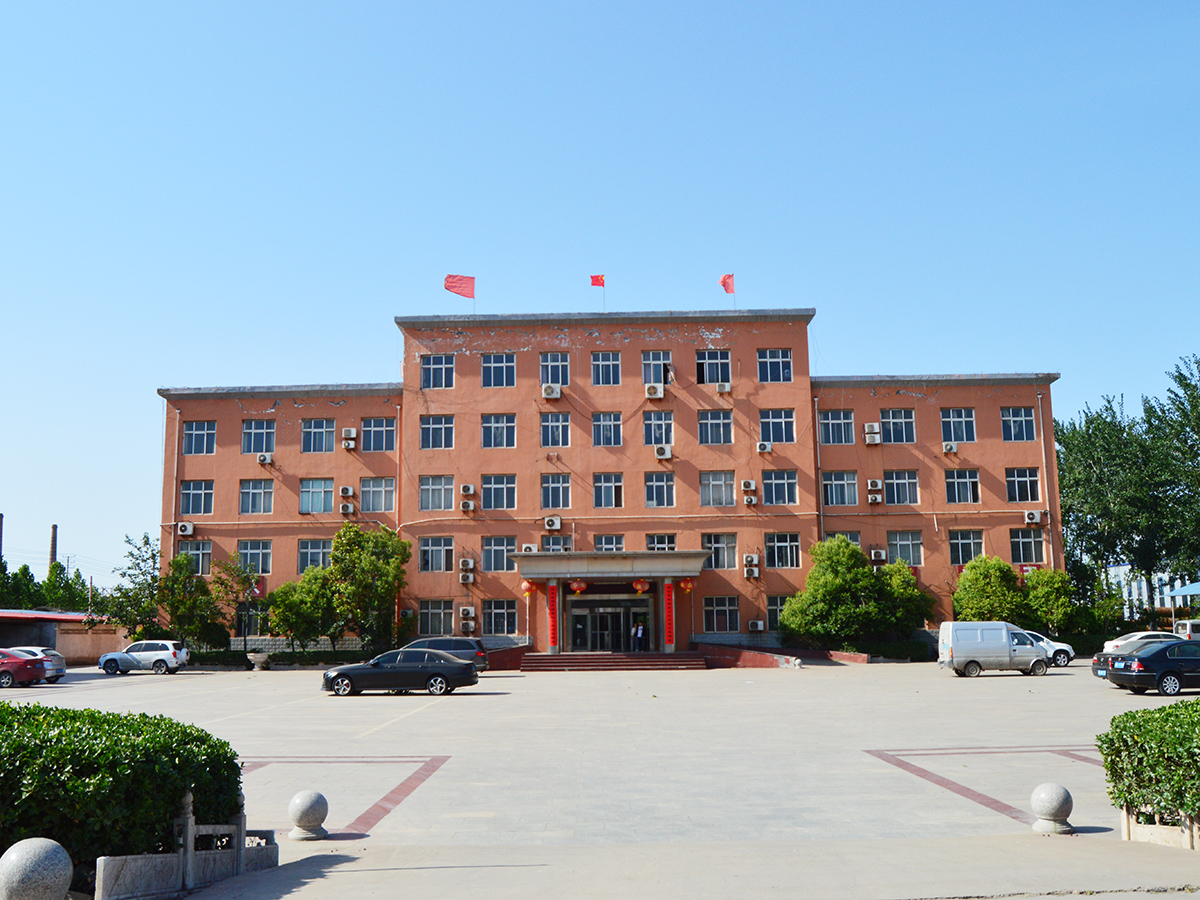
Handan Yongnian District Dongshuo Fastener Manufacturing Co., Ltd. was established in 2015. It is an enterprise specializing in the production and operation of fasteners. Our company is committed to providing high-quality fastener products and providing customers with comprehensive solutions in various industries.
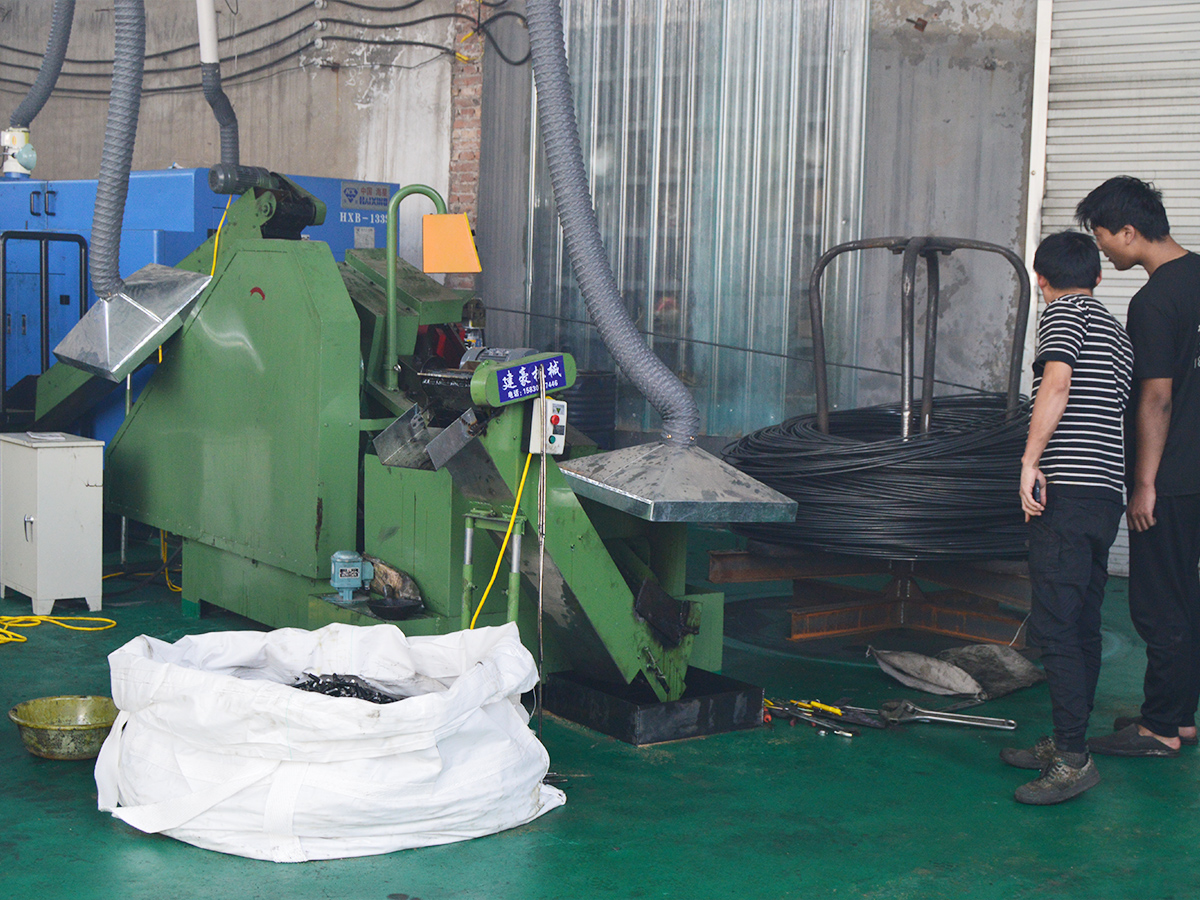
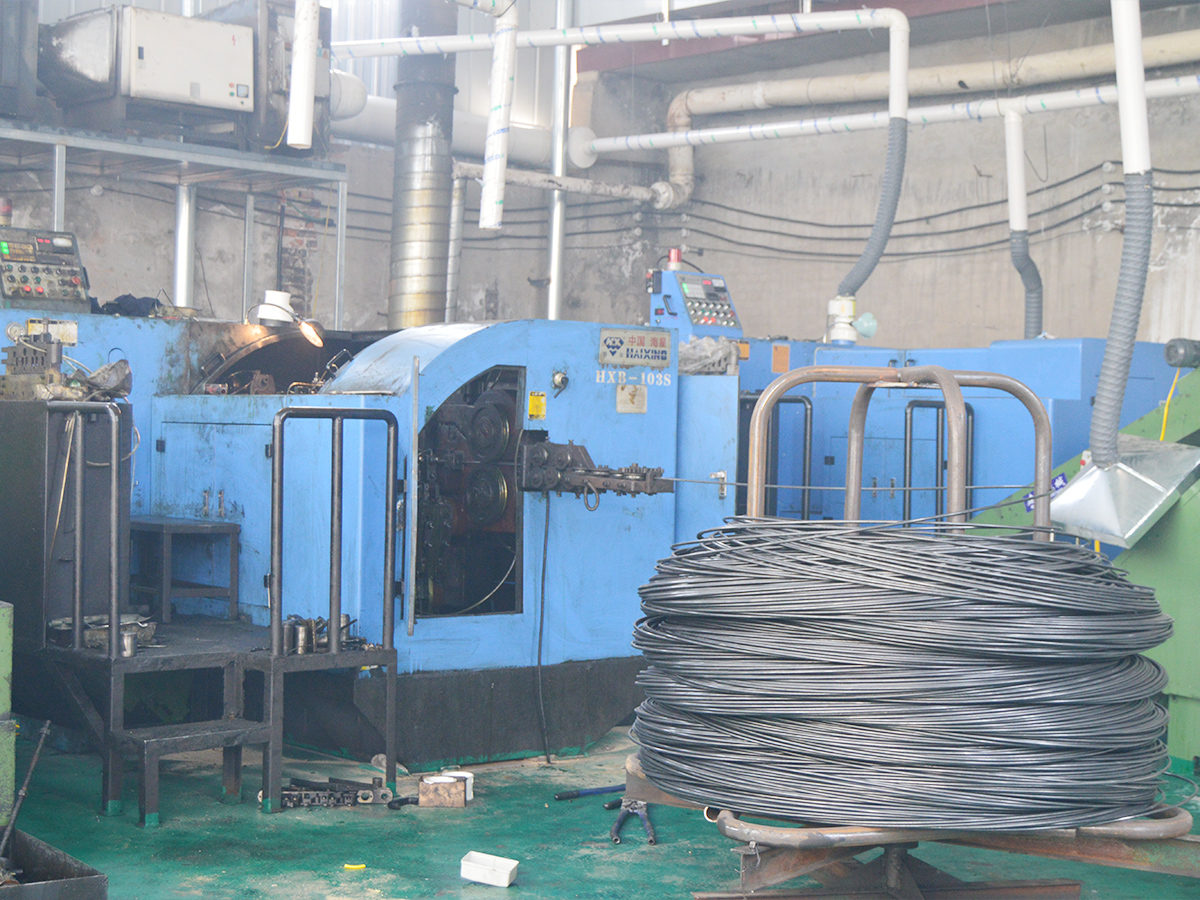
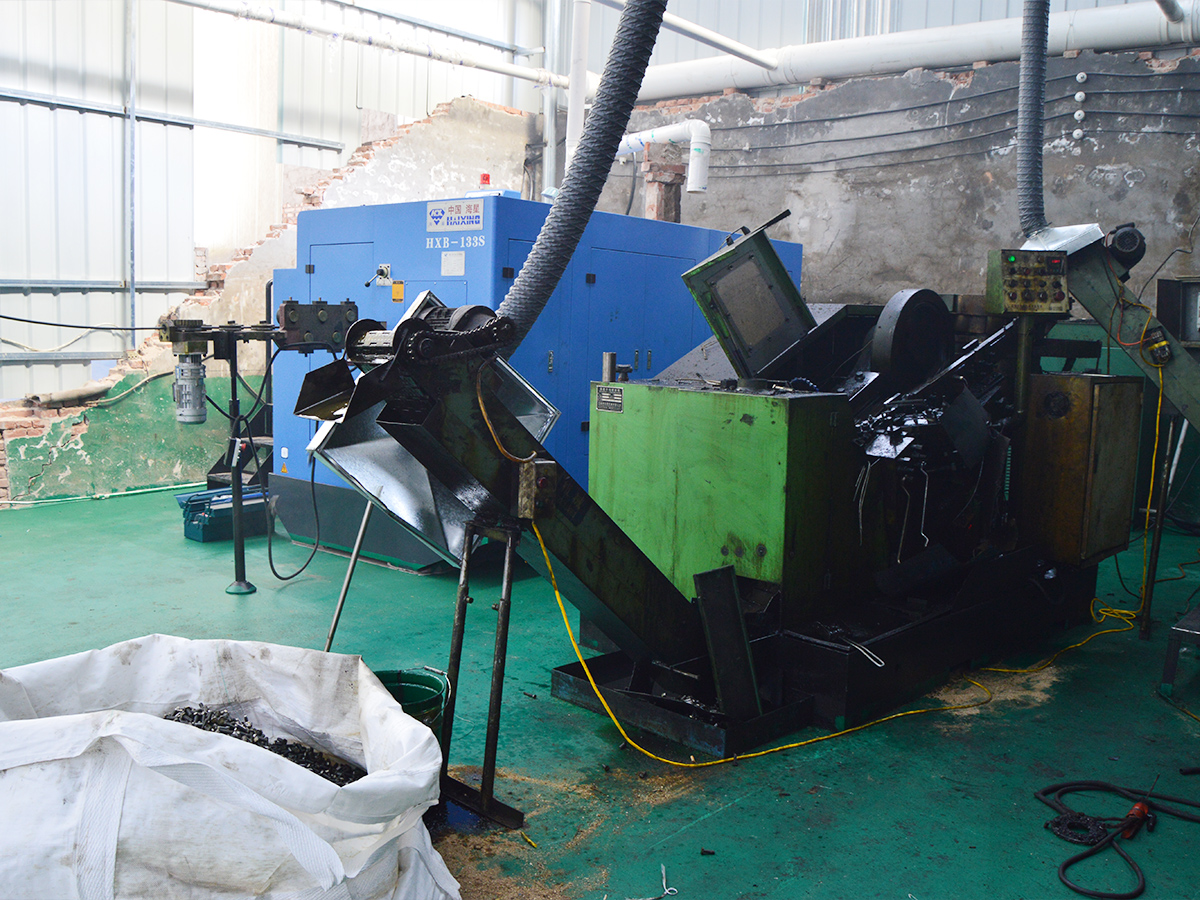
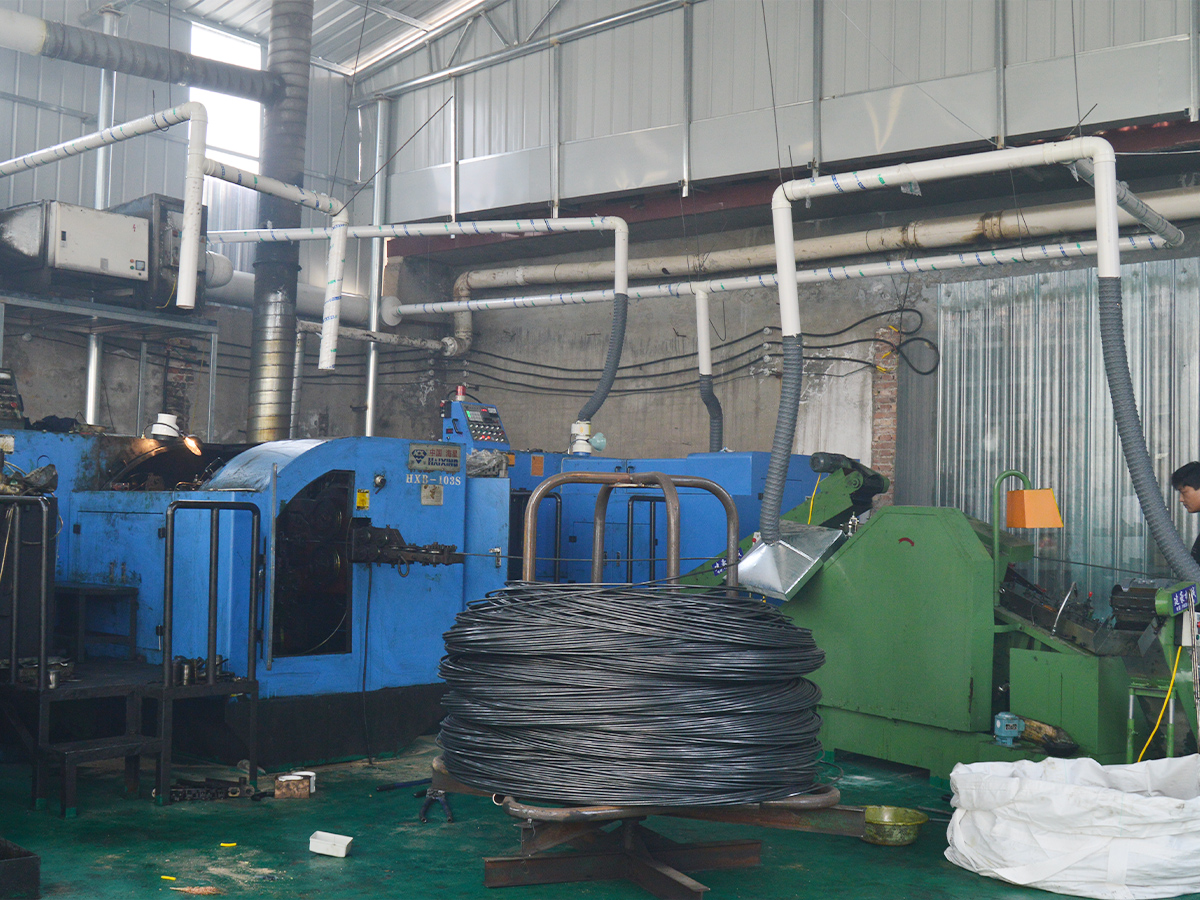
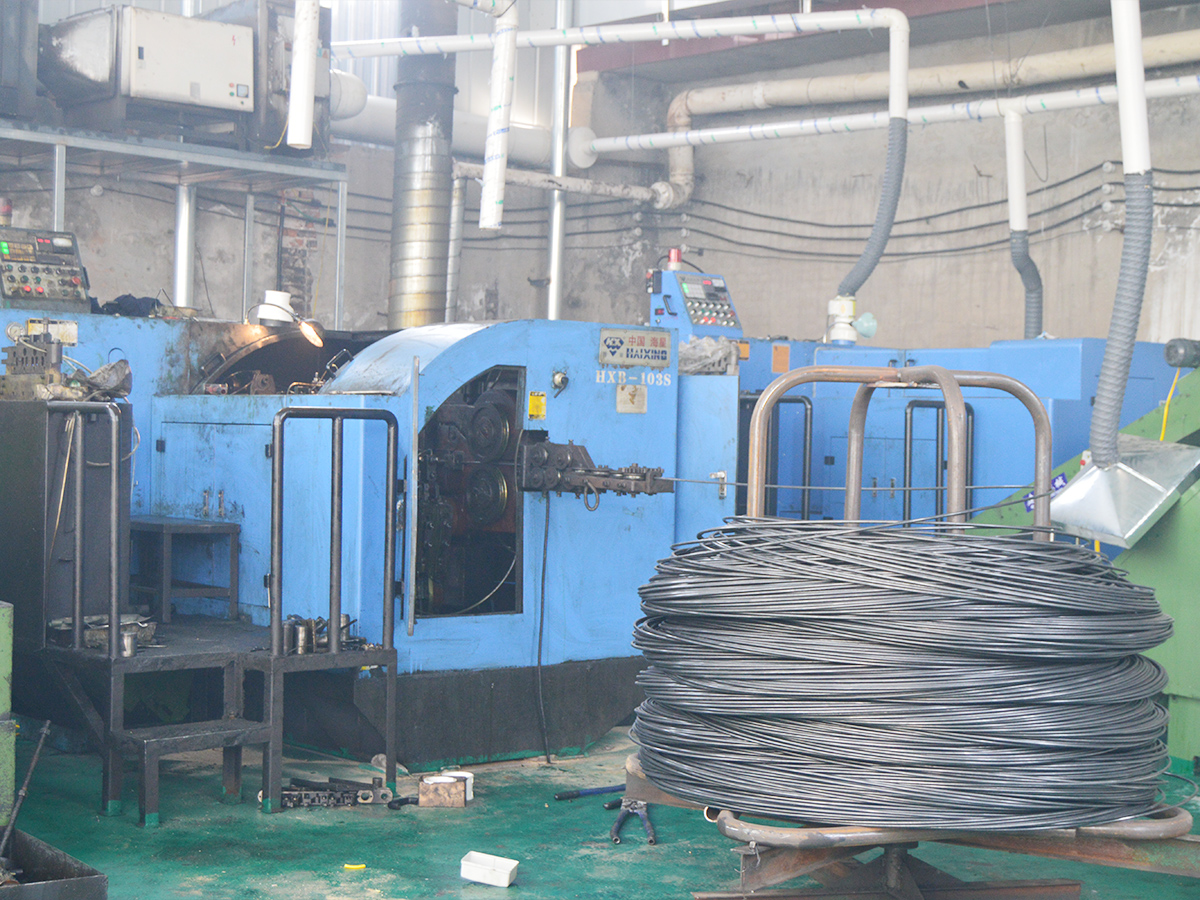
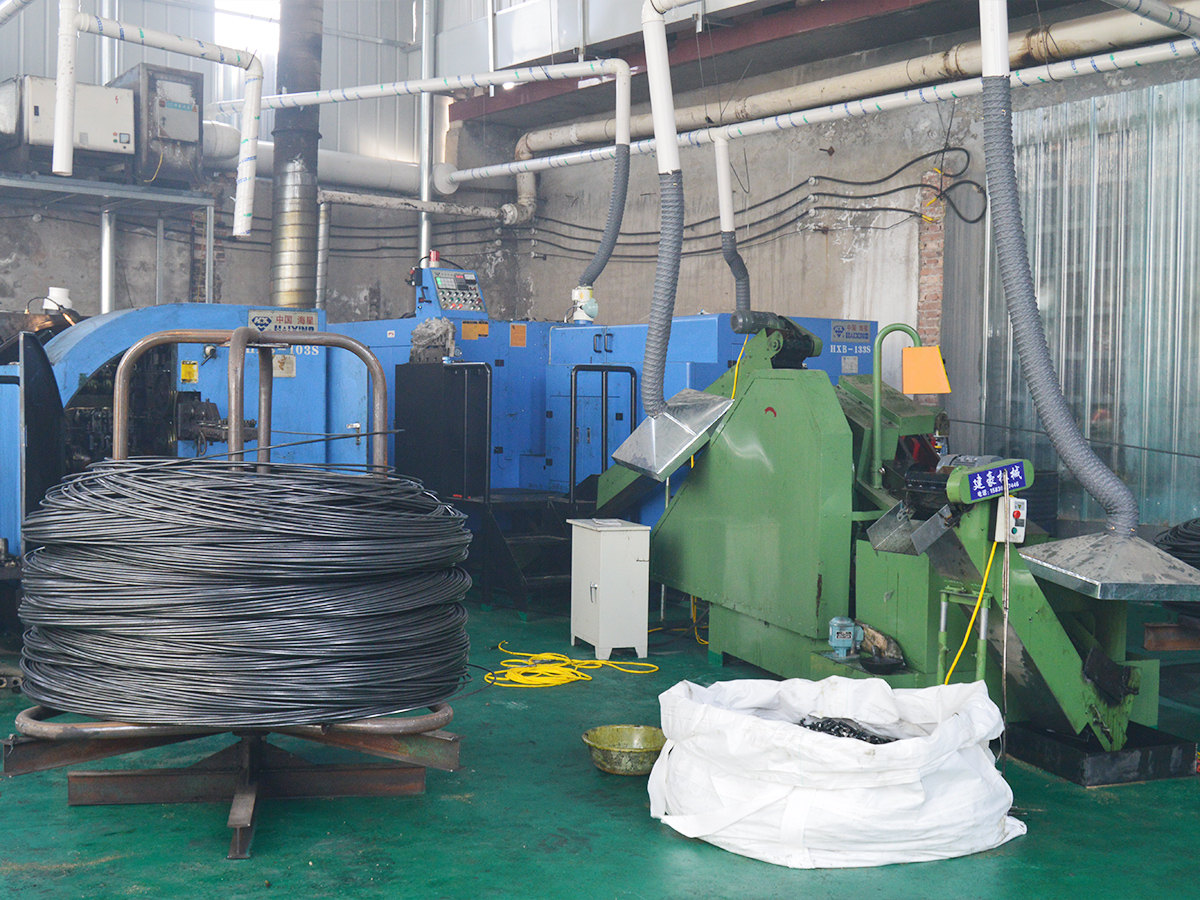
As a reputable fastener manufacturer, we have advanced production equipment and a professional technical team to meet our customers' needs for different types of fasteners, particularly focusing on optimized solutions for machinery and equipment assembly lines.



The intersection of artificial intelligence and industrial hardware is redefining how machinery is assembled. The future of the Flat Head Screw Head for Machinery & Equipment Assembly is not just in the physical metallurgy, but in the data-driven ecosystem surrounding its application.
In modern high-speed assembly lines, machine vision systems powered by AI algorithms inspect flat head screws in fractions of a second. These systems verify the countersink angle, thread pitch, and surface coating integrity before the screw is ever fed into the automated driver. This ensures a zero-defect assembly process, which is critical for life-saving medical equipment and aerospace components where a single fastener failure could result in catastrophic system collapse.
Looking toward the near future, the industry is experimenting with "smart fasteners." By embedding micro-sensors or utilizing ultrasonic tension measurement techniques, engineers can monitor the clamping force of flat head screws in real-time. In heavy machinery, if a critical assembly begins to lose torque due to extreme operational vibration, the machinery's central IoT (Internet of Things) system can flag the specific joint for predictive maintenance long before structural failure occurs.
Advanced CNC machining allows for micro-level tolerances, ensuring a perfectly flush fit every time.
From black phosphating to zinc plating, modern coatings resist severe chemical and atmospheric corrosion.
Optimized head designs allow for seamless integration with robotic screw-driving systems.
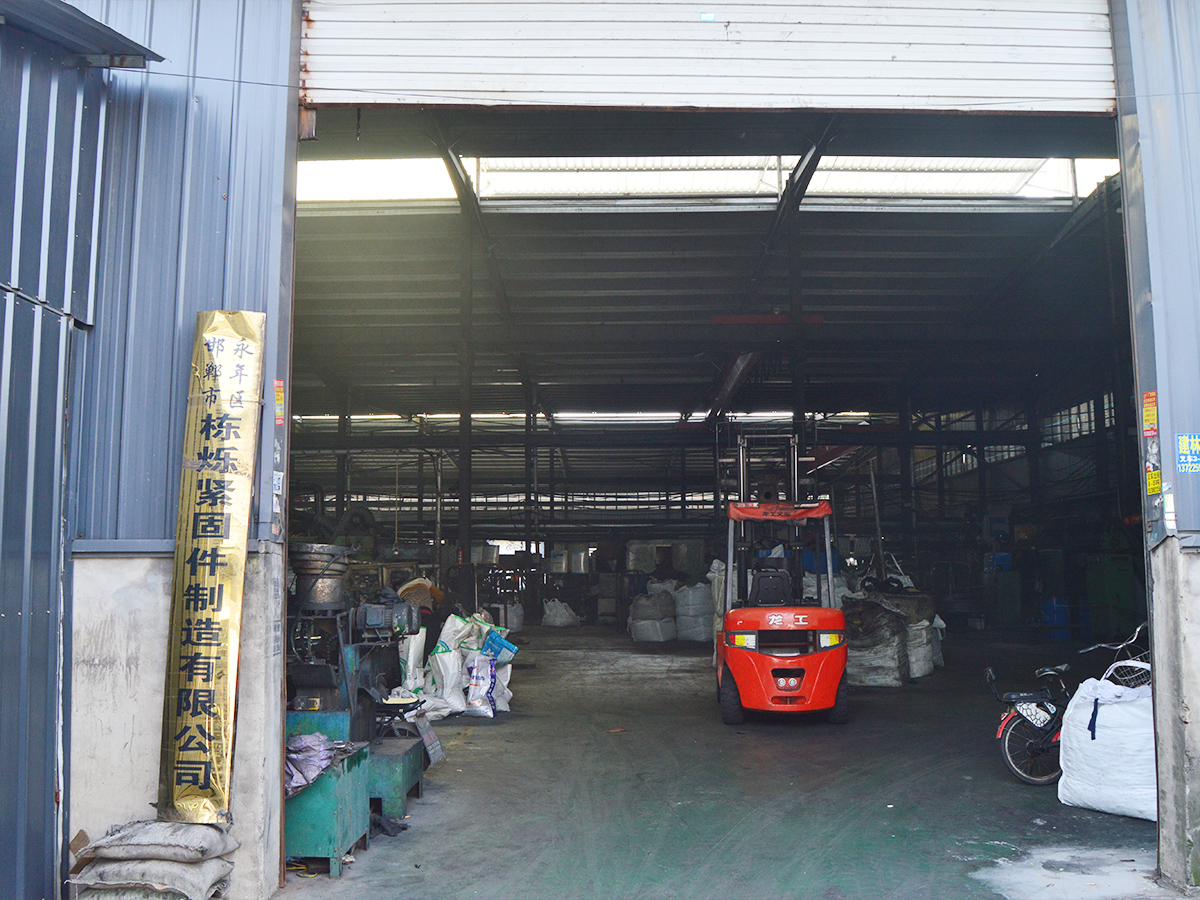
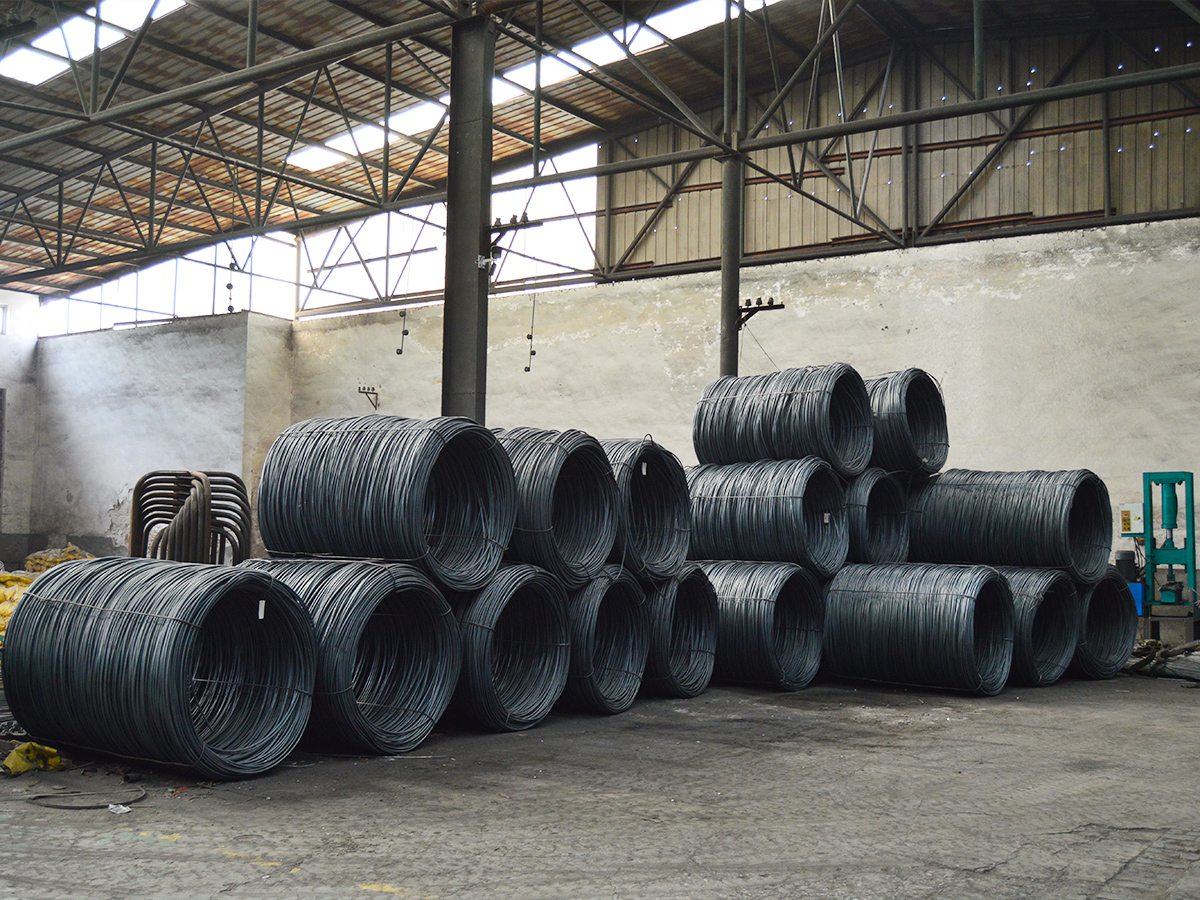
A glimpse into our state-of-the-art production and quality assurance processes.
The mechanical efficiency of a flat head screw in machinery assembly is dictated by the complex relationship between applied torque, resulting clamping force (tension), and the friction coefficients of the mating threads and the countersunk head.
Unlike pan head or hex head bolts that distribute their load flatly against the surface, a flat head screw acts as a wedge. As torque is applied, the angled underside of the head is driven into the chamfered hole. This wedging action creates immense radial pressure against the surrounding material. In softer machinery casings, such as aluminum alloys used in lightweight robotics, this radial force can cause deformation if the torque is not strictly controlled. Therefore, engineers must calculate the exact yield strength of both the fastener and the substrate.
To combat galling (cold welding) during high-speed automated assembly, especially when using stainless steel fasteners on stainless steel machinery parts, specialized anti-seize lubricants or dry-film tribological coatings are applied to the threads. This ensures consistent clamp load and facilitates future disassembly for maintenance.
Vibration is the ultimate enemy of the assembled machine. In equipment like industrial centrifuges, stamping presses, and diesel generators, the continuous cyclic loading works to back the screw out of its tapped hole. Flat head screws are particularly susceptible to this if the countersink geometry is mismatched, as the loss of head friction immediately compromises the joint.
To mitigate this, modern machinery assembly utilizes several strategies in conjunction with flat head screws. These include the use of micro-encapsulated thread-locking adhesives that cure anaerobically once the screw is installed, or the integration of nylon patches directly onto the screw threads. These innovations ensure that the machinery remains tightly assembled, extending the Mean Time Between Failures (MTBF) and ensuring operational safety.
Delivering excellence in every thread for global industrial applications.

Years of dedicated experience in fastener manufacturing for critical machinery.

Eco-friendly surface treatments and optimized material utilization.

Rigorous testing protocols ensuring high tensile strength and durability.
Frequently asked questions regarding fastener selection for machinery and equipment.
Explore our full range of industrial assembly hardware solutions.


