
Leave Your Message
Discover our top-tier selection of flat head screws and bolts engineered specifically for the demanding environments of aerospace and marine applications.
The industrial landscape of the 21st century is defined by extreme environments and uncompromising performance metrics. Among the multitude of mechanical components, the Flat Head Screw for Aerospace & Marine Engineering stands out as a fundamental, yet highly sophisticated, element. Unlike standard protruding fasteners, flat head screws (often referred to as countersunk screws) are designed to sit flush with or below the surface of the surrounding material. This flush profile is not merely an aesthetic choice; it is a critical engineering requirement dictated by the laws of aerodynamics and hydrodynamics.
In high-speed, high-stress environments, surface irregularities can lead to catastrophic failures or significant efficiency losses. Protruding bolt heads create parasitic drag, disrupt laminar fluid flow, and can act as focal points for mechanical stress and environmental corrosion. By utilizing precision-engineered flat head screws, engineers can achieve perfectly smooth exterior surfaces. This capability makes them entirely indispensable in the construction of aircraft fuselages, submarine hulls, satellite housings, and high-performance marine vessels. The integration of these fasteners ensures that structural integrity is maintained without sacrificing operational efficiency.
The global aerospace industry is currently undergoing a massive transformation driven by the need for enhanced fuel efficiency, increased payload capacities, and the transition toward sustainable aviation. In this highly competitive market, every gram of weight and every fraction of aerodynamic drag is scrutinized. The commercial status of aerospace fasteners, particularly flat head screws, has seen a compound annual growth rate (CAGR) that reflects the surging production of next-generation commercial airliners, military jets, and commercial space exploration vehicles.
Modern aerospace manufacturing relies heavily on advanced composite materials, such as carbon-fiber-reinforced polymers (CFRP). Traditional fastening methods are often incompatible with these composites due to differing thermal expansion coefficients and the risk of delamination. Consequently, the industry has pivoted toward specialized flat head screws made from titanium alloys (like Ti-6Al-4V) and high-strength aluminum. These materials offer an exceptional strength-to-weight ratio and superior fatigue resistance. The current industrial trend is heavily focused on replacing outdated riveting systems with these advanced threaded fasteners, allowing for easier maintenance, non-destructive testing (NDT), and structural upgrades over the aircraft's lifecycle.
Parallel to aerospace, the marine engineering sector faces its own set of extreme challenges, primarily revolving around hydrostatic pressure, relentless saltwater corrosion, and galvanic degradation. The industrial demand for marine-grade flat head screws is escalating, fueled by the expansion of offshore renewable energy (such as deep-water wind farms), advanced shipbuilding, and subsea oil and gas exploration. In marine environments, a fastener failure can lead to severe environmental disasters and massive financial losses.
Commercially, there is a massive shift away from standard carbon steel fasteners toward premium alloys. Flat head screws utilized in these applications are predominantly forged from 316L Stainless Steel, Monel 400, Inconel, and Duplex Stainless Steels. These materials provide unparalleled resistance to pitting, crevice corrosion, and stress-corrosion cracking induced by chloride ions in seawater. Furthermore, the flush finish provided by flat head screws is vital for the underwater surfaces of vessel hulls, as it significantly reduces hydrodynamic drag and minimizes the surface area where bio-fouling (the accumulation of barnacles and algae) can occur, thereby reducing maintenance costs and fuel consumption.
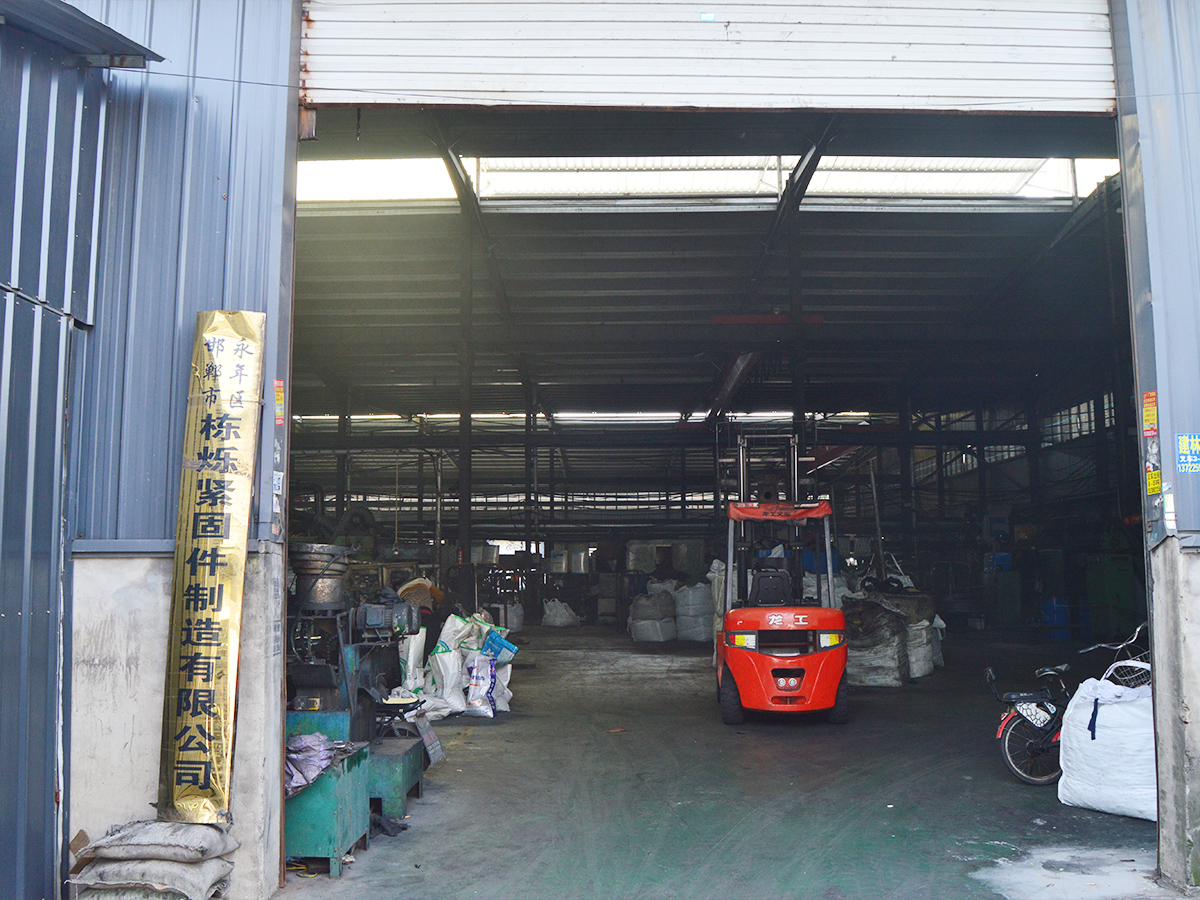
Handan Yongnian District Dongshuo Fastener Manufacturing Co., Ltd.
Established in 2015, Handan Yongnian District Dongshuo Fastener Manufacturing Co., Ltd. is an enterprise specializing in the production and operation of fasteners. Our company is committed to providing high-quality fastener products and providing customers with comprehensive solutions in various industries.
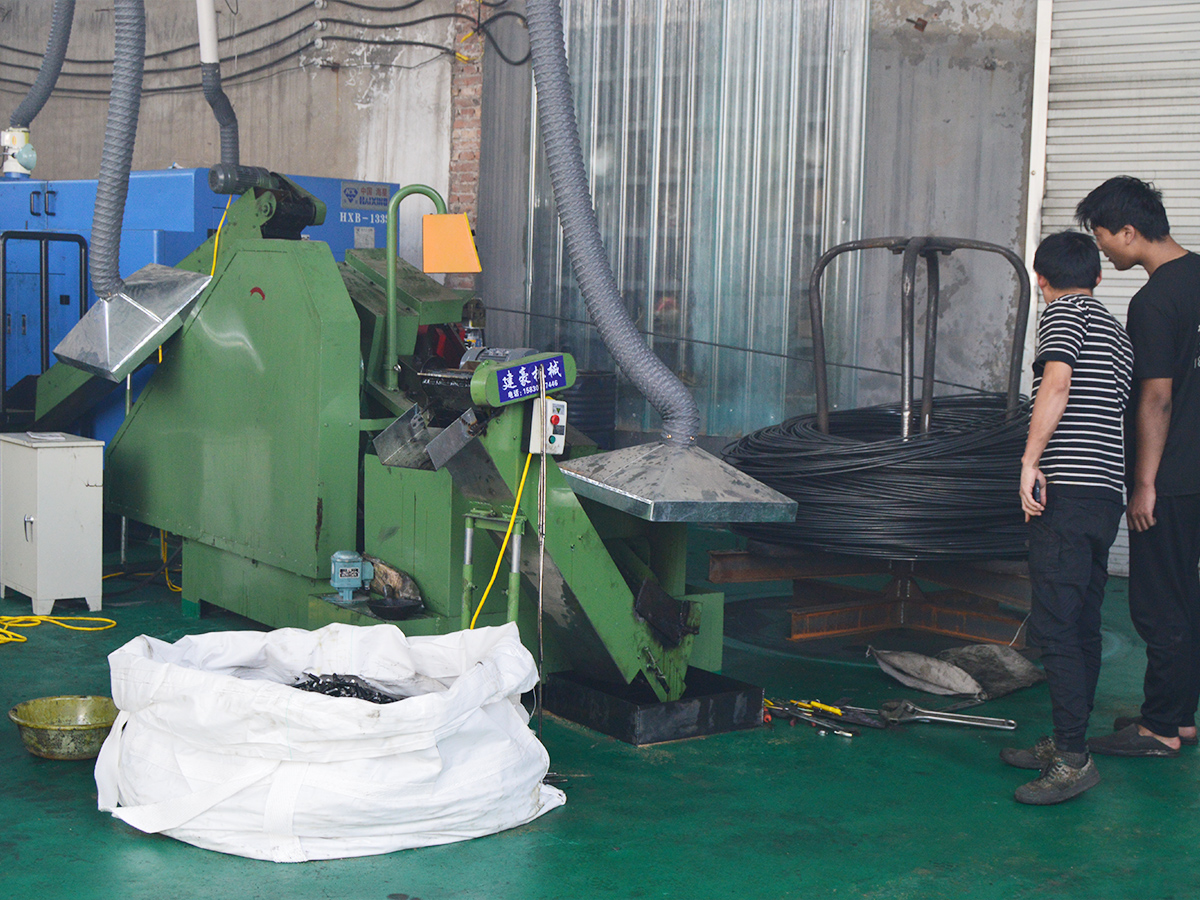
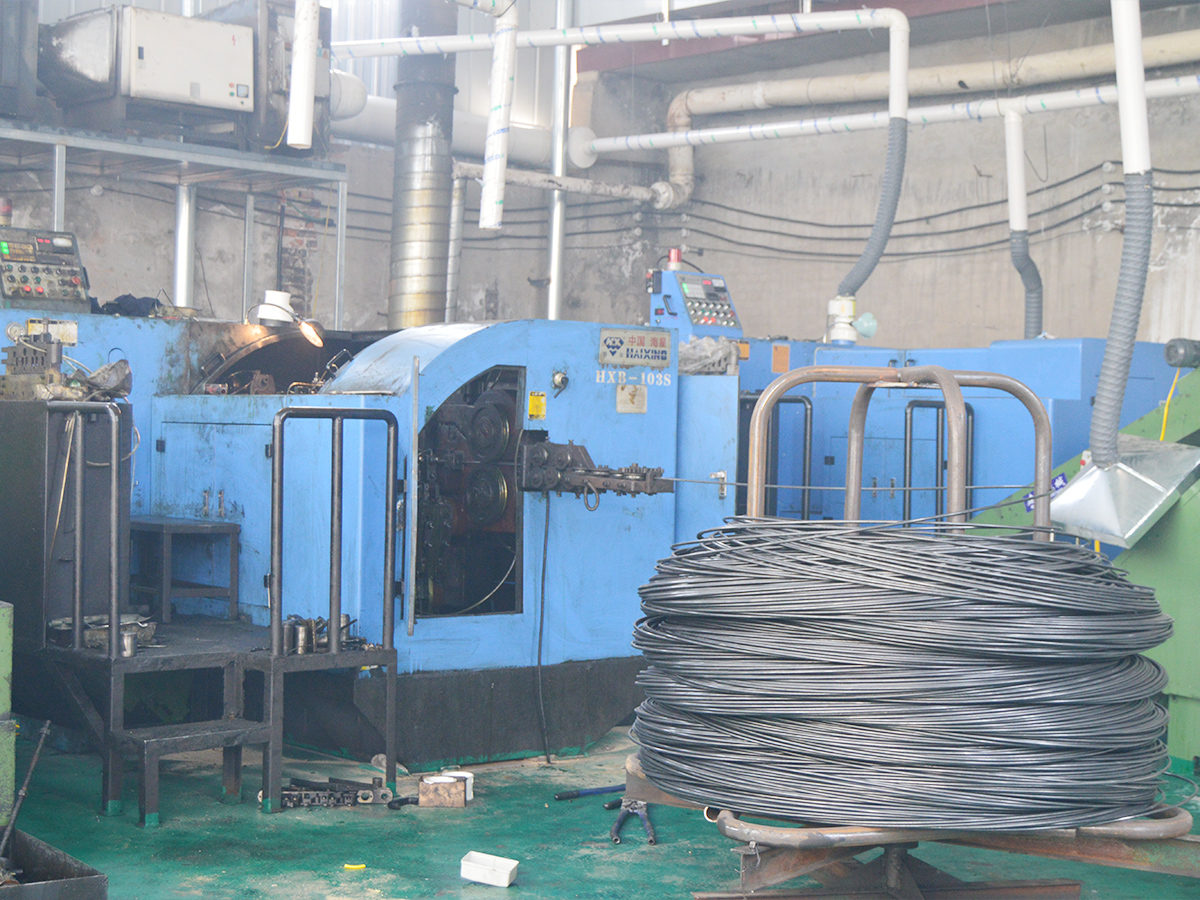
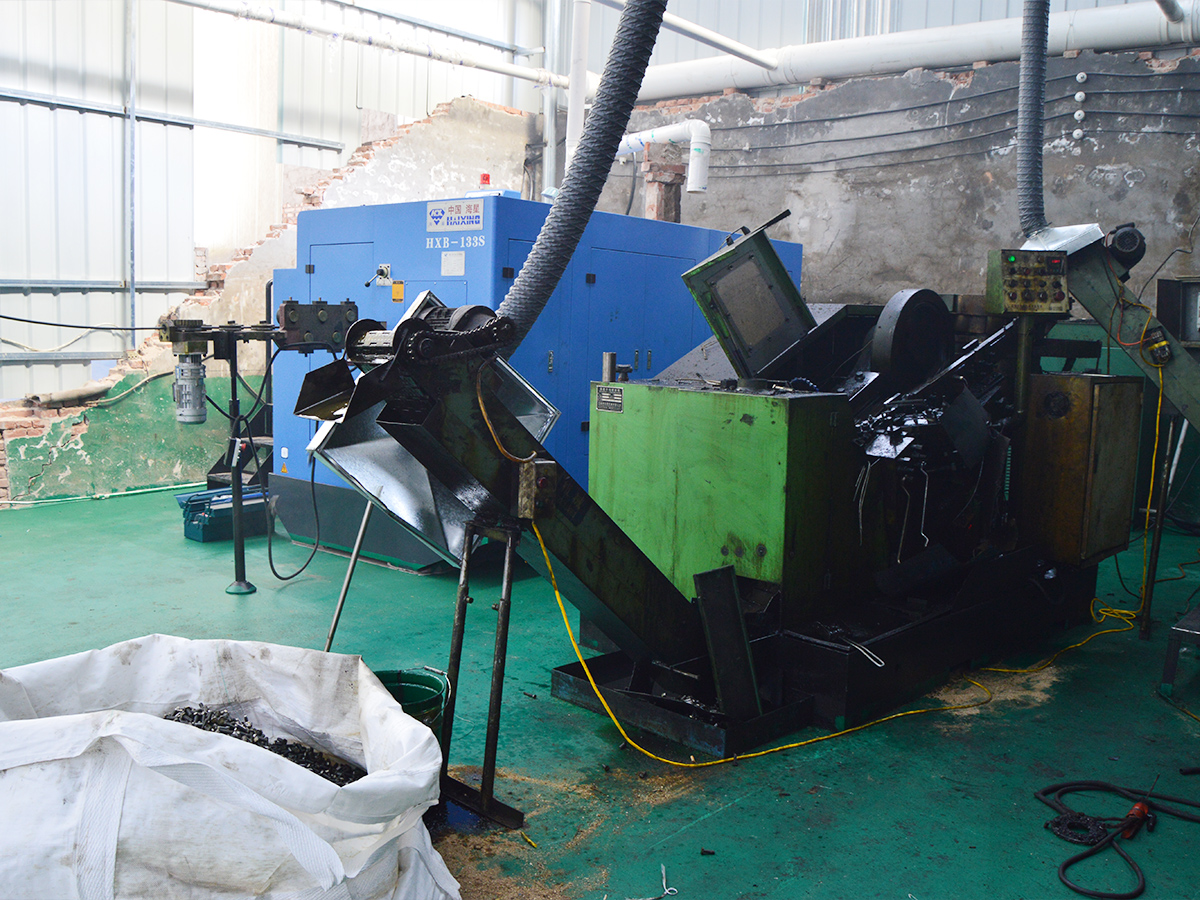
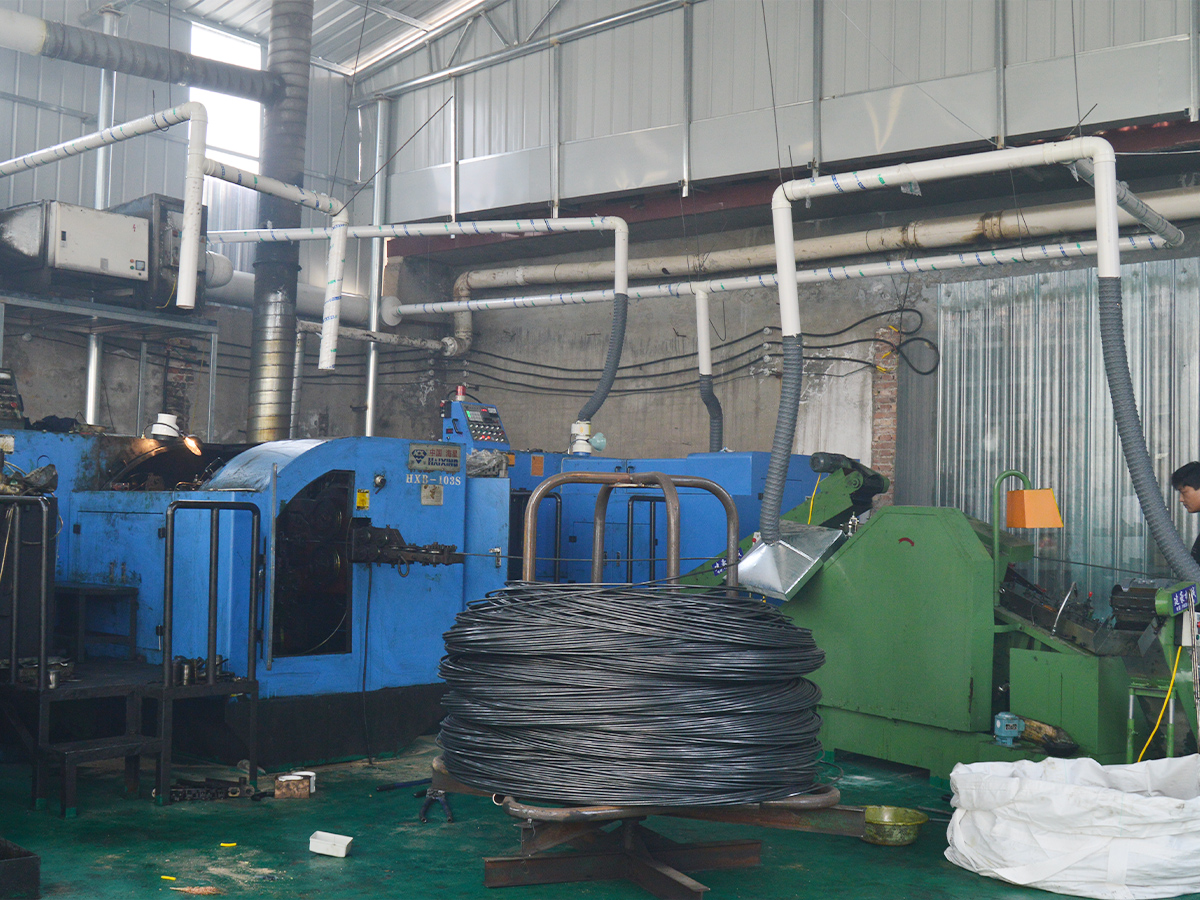
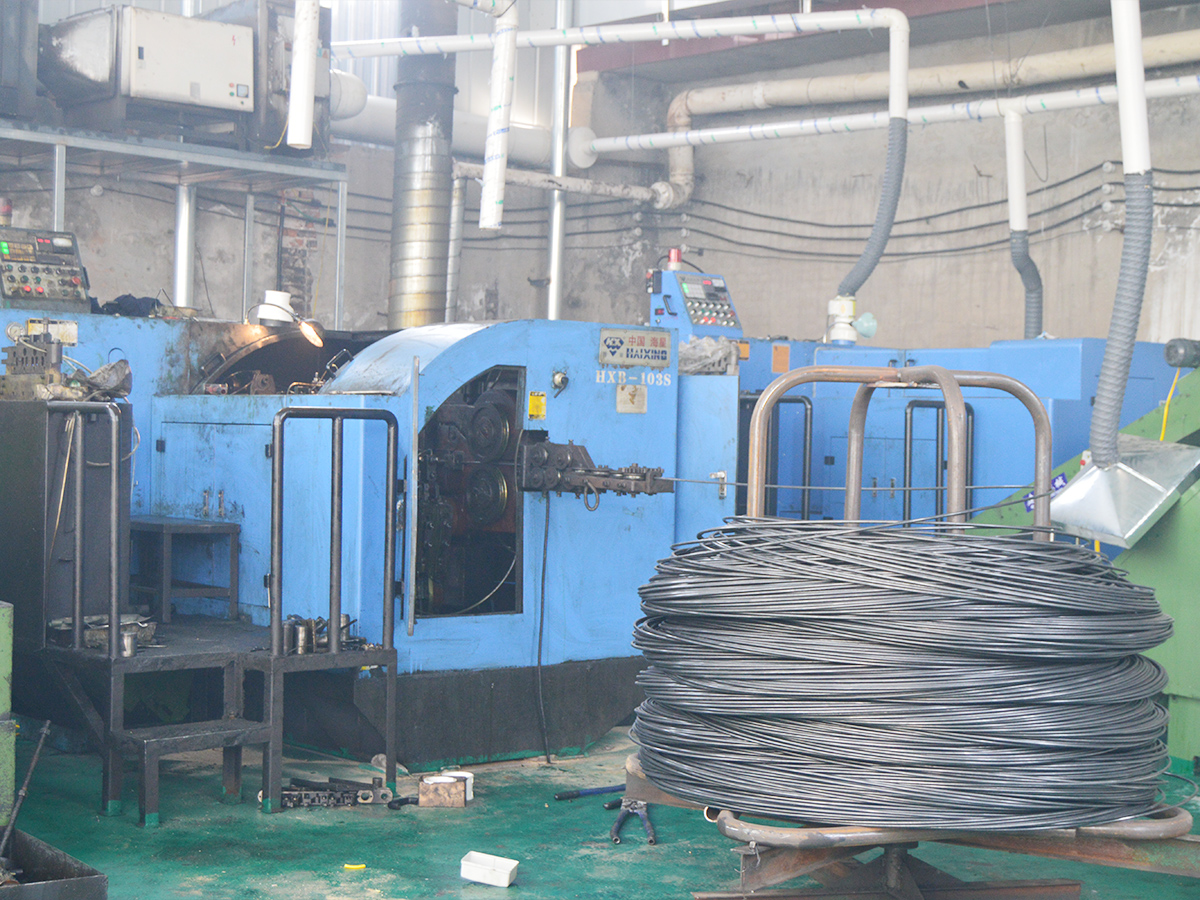
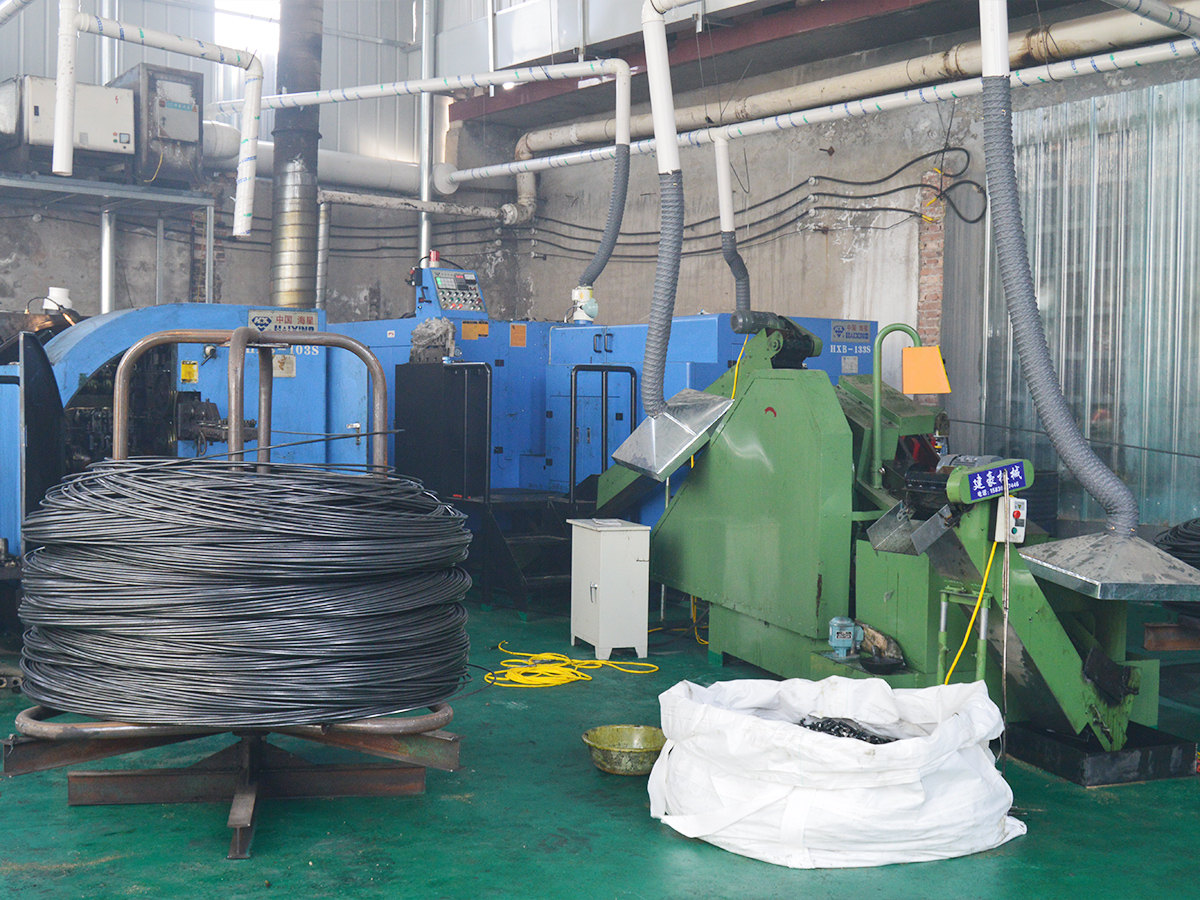
As a reputable fastener manufacturer, we have advanced production equipment and a professional technical team to meet our customers' needs for different types of fasteners. In the fierce market competition environment, we always adhere to the customer-centered concept. In order to meet the needs of our customers, we provide customized solutions and are able to deliver on time. We have established long-term cooperative relationships with our customers and have received high praise from them.




When analyzing the application of flat head screws within the aerospace sector, the immediate thought goes to the exterior skin of the aircraft. While it is true that thousands of these screws are utilized to secure aluminum and composite skin panels to the airframe to maintain a perfect aerodynamic envelope, their applications go much deeper.
The marine engineering environment is arguably more hostile than aerospace due to the constant presence of an electrolyte (saltwater) that facilitates galvanic corrosion. The application of flat head screws in this domain is highly specialized.
The manufacturing of fasteners is no longer a traditional, low-tech industry. The intersection of material science, digital manufacturing, and nanotechnology has propelled the development of the Flat Head Screw for Aerospace & Marine Engineering into a new era.
One of the most prominent trends is the development of Smart Fasteners. Researchers are currently embedding micro-piezoelectric sensors and RFID tags directly into the heads and shanks of large structural screws. These smart fasteners can monitor their own tension and stress levels in real-time, transmitting data to an aircraft's central computer or a ship's maintenance dashboard. This innovation transitions maintenance from a scheduled, reactive process to a predictive one, significantly enhancing safety margins.
Another major trend is the advancement in Surface Coatings and Treatments. While the base alloy provides the primary strength, the coating dictates environmental resistance. We are seeing a rapid shift toward nano-ceramic coatings, zinc-nickel plating, and advanced physical vapor deposition (PVD) techniques. These coatings provide exceptional lubricity (preventing thread galling during installation, a common issue with titanium and stainless steel) and offer a barrier against hydrogen embrittlement and galvanic corrosion.
Furthermore, Additive Manufacturing (3D Printing) is beginning to make its mark. For highly specialized aerospace applications, engineers can now 3D print topologically optimized flat head screws with complex internal lattice structures. This reduces the weight of the fastener by up to 40% while maintaining the necessary tensile and shear strength, a revolutionary step for weight-critical spacecraft.
Our wide product range includes bolts, nuts, screws, washers and other fasteners. Through strict quality control and continuous technological innovation, we ensure that every product has excellent quality and reliability. Whether in construction, automotive, machinery, electronics or other fields, our products can meet the needs of our customers.
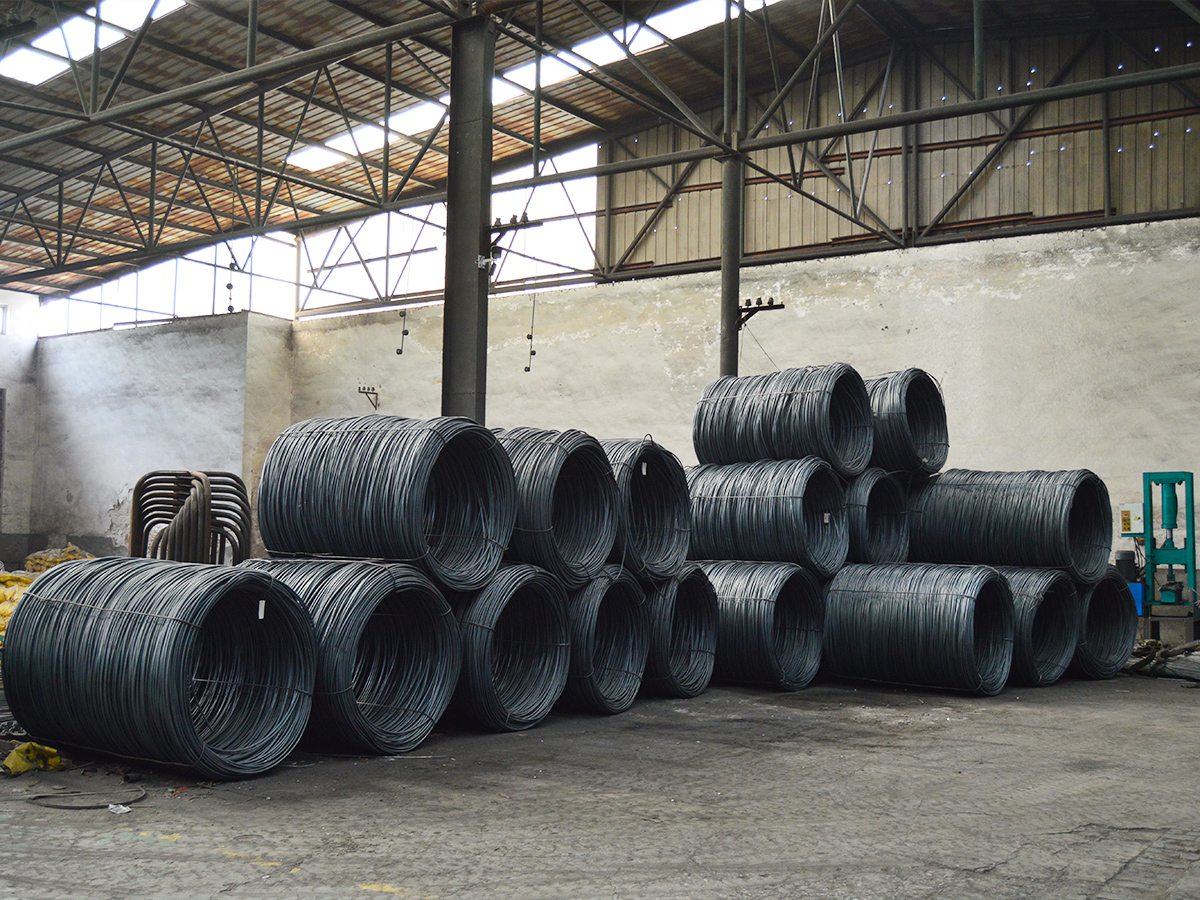
The true capability of a flat head screw lies in its metallurgical composition. In aerospace and marine engineering, standard carbon steel is rarely sufficient. The selection of materials is a rigorous process governed by the specific environmental threats the fastener will face.
Titanium Alloys (Ti-6Al-4V): The undisputed king of aerospace fasteners. Titanium offers a tensile strength comparable to high-grade steel but at roughly half the weight. Furthermore, titanium possesses an extraordinary natural resistance to corrosion, forming a passive oxide layer almost instantaneously when exposed to oxygen. This makes it ideal for composite aircraft structures where weight reduction translates directly to fuel savings.
Inconel and Superalloys: For applications involving extreme heat—such as jet engine exhaust nozzles or marine gas turbines—Inconel (a nickel-chromium-based superalloy) is utilized. These alloys retain their structural integrity and resist oxidation at temperatures where standard steel would turn plastic and fail.
Monel and Marine-Grade Stainless: In the marine sector, Monel 400 (a nickel-copper alloy) is highly prized for its resistance to rapidly flowing brackish water and seawater. It is virtually immune to chloride ion stress corrosion cracking. When cost is a factor, Duplex Stainless Steels (which combine austenitic and ferritic microstructures) are used, offering double the yield strength of standard 316 stainless steel and superior resistance to localized pitting.
The manufacturing of fasteners for aerospace and marine applications is one of the most heavily regulated industries globally. A single defective flat head screw can compromise an entire system. Consequently, manufacturers must adhere to stringent international standards.
In aerospace, the AS9100 standard is the baseline for quality management systems, building upon ISO 9001 with additional requirements specific to aviation and defense. Fasteners are often manufactured to strict MIL-SPEC (Military Specifications) or NAS (National Aerospace Standards), which dictate exact tolerances, thread profiles, and material compositions.
Quality assurance testing is exhaustive. It includes Non-Destructive Testing (NDT) methods such as ultrasonic inspection, magnetic particle inspection, and dye penetrant testing to detect microscopic internal voids or surface cracks. Furthermore, fasteners undergo rigorous fatigue testing, where they are subjected to millions of stress cycles to simulate the lifespan of an aircraft or marine vessel. Salt spray tests (ASTM B117) are conducted for hundreds of hours to validate the anti-corrosive properties of marine fasteners.
Even the highest quality flat head screw will fail if installed incorrectly. The installation process in high-end engineering is a highly controlled procedure. Because flat head screws rely on a perfectly matched countersunk hole to sit flush, the machining of the receiving material must be exceptionally precise. A mismatched angle can result in uneven load distribution, leading to the head snapping off under stress.
Torque control is absolutely critical. Fasteners are installed using calibrated torque wrenches to ensure they are stretched to their optimal elastic limit, providing maximum clamping force without yielding. In environments subject to high vibration—such as helicopter rotors or boat engines—engineers utilize aerospace-grade thread-locking compounds or safety wire (though less common with flat heads, specialized locking mechanisms like nylon inserts or deformed threads are used) to prevent back-out.
At the same time, we also pay attention to environmental protection and sustainable development. We use green and environmentally friendly materials and production processes to contribute to society and the environment.

As a reputable fastener manufacturer, we have advanced production equipment and a professional technical team to meet our customers' needs for different types of fasteners.

We pay attention to environmental protection and sustainable development. We use green and environmentally friendly materials and production processes.

Handan Yongnian District Dongshuo Fastener Manufacturing Co., Ltd. always adheres to the business philosophy of "quality first, customer first".
Our company is committed to providing high quality fastener products and comprehensive solutions for customers in various industries. We have advanced production equipment and professional technical team, which can meet the needs of customers for different types of fasteners.
We are committed to providing high quality fastener products and comprehensive industry solutions.
We are committed to providing high quality fastener products and comprehensive industry solutions.
The price is negotiable. It can be changed according to your quantity or packaging.
The sample requires a sample fee, which can be paid on delivery or you can pay us the fee in advance.
All of our products are made of high-quality environmentally friendly materials.
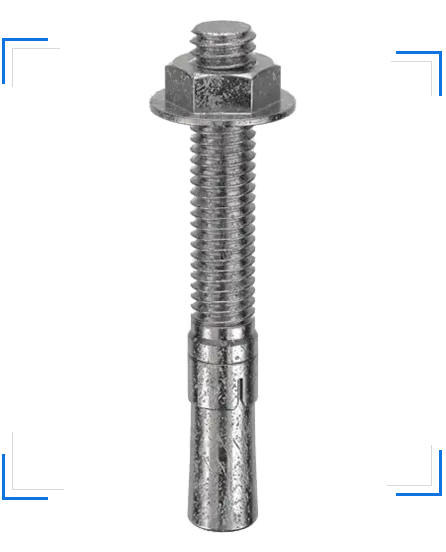
We can adjust it according to your requirements.
You can send your own design and logo. We can open new molds and logos, and then send samples for confirmation.
Please email me or chat with me at your convenience.
The global supply chain for aerospace and marine fasteners is highly complex, relying on the steady flow of raw materials like titanium sponge, nickel, and chromium from various global mining centers. Recent geopolitical shifts and industrial disruptions have highlighted the necessity for robust, localized manufacturing capabilities. Original Equipment Manufacturers (OEMs) in the aerospace and shipbuilding sectors are increasingly partnering with reliable, high-capacity fastener manufacturers to ensure just-in-time delivery without compromising on quality.
Companies that invest heavily in automated CNC machining, real-time quality monitoring, and sustainable manufacturing practices are dominating the market. By reducing waste and optimizing energy consumption during the forging and heat-treatment processes, these manufacturers are not only lowering costs but also aligning with the strict environmental targets set by global aviation and maritime authorities (such as the IMO's emission reduction goals).
In conclusion, while they may be small in stature, the Flat Head Screw for Aerospace & Marine Engineering represents the invisible backbone of modern high-tech transportation and exploration. Their unique ability to provide immense structural holding power while maintaining a perfectly flush, aerodynamically and hydrodynamically optimized surface makes them irreplaceable.
As we push the boundaries of human exploration—sending spacecraft deeper into the cosmos and submarines deeper into the oceanic abysses—the demands placed on these fasteners will only intensify. The future will see continued innovations in superalloys, smart sensor integration, and precision manufacturing. By understanding the profound industrial importance, the complex metallurgical science, and the rigorous quality standards associated with these components, engineering professionals can make informed decisions that ensure the safety, efficiency, and longevity of their most ambitious projects. Partnering with a dedicated and technologically advanced manufacturer is the first step toward securing the structural integrity of tomorrow's engineering marvels.
Explore our complete range of specialized bolts, screws, and assemblies engineered for maximum performance.


