Leave Your Message
Concrete anchor bolts have become an indispensable component in the construction, maintenance, and DIY sectors. These specialized fasteners are engineered to provide secure, reliable connections between structural elements and concrete surfaces. Whether you're a professional contractor managing large-scale infrastructure projects or a homeowner tackling weekend DIY improvements, understanding the capabilities and applications of concrete anchor bolts is essential for ensuring project success and long-term structural integrity.
The fastener industry has witnessed remarkable evolution over the past decade, with concrete anchor bolts at the forefront of innovation. Modern manufacturing techniques, advanced materials science, and rigorous quality control standards have transformed these simple mechanical devices into sophisticated engineering solutions capable of withstanding extreme loads, environmental conditions, and dynamic stresses. The global fastener market, valued at over $85 billion annually, continues to expand as infrastructure development accelerates worldwide, with anchor bolts representing a significant and growing segment.
The concrete anchor bolt market has experienced substantial growth driven by urbanization, infrastructure renewal projects, and the expansion of renewable energy installations. Commercial construction projects demand high-performance fastening solutions that meet stringent building codes and safety regulations. Industrial facilities require anchor bolts capable of securing heavy machinery, supporting elevated structures, and withstanding vibration and thermal cycling.
According to recent industry analysis, the demand for specialized anchor bolts in commercial applications has increased by approximately 8-12% annually, with particular growth in seismic-prone regions where enhanced anchoring systems are mandatory. The construction of data centers, logistics facilities, and manufacturing plants has created unprecedented demand for reliable concrete fastening solutions.
Several key trends are reshaping the anchor bolt industry. Sustainability initiatives are driving demand for galvanized and corrosion-resistant coatings that extend product lifespan and reduce replacement frequency. Smart construction technologies are integrating load-monitoring capabilities into fastening systems, enabling real-time structural health assessment.
The DIY market segment has expanded significantly, fueled by home improvement trends and the availability of professional-grade products through retail channels. Manufacturers are responding with comprehensive product lines that include installation tools, technical documentation, and customer support resources specifically designed for non-professional users.
Modern concrete anchor bolts are engineered to provide exceptional tensile and shear strength. High-grade steel construction with precise threading ensures reliable load distribution and prevents premature failure. Advanced manufacturing processes create consistent mechanical properties across entire product batches, ensuring predictable performance in critical applications. Load capacities range from light-duty residential applications (500-1000 lbs) to heavy industrial installations exceeding 50,000 lbs per anchor point.
Galvanization and specialized coating systems provide multi-layer protection against environmental degradation. Hot-dip galvanizing creates a metallurgical bond that protects even if the coating is scratched or damaged. For marine, chemical, or extreme environments, stainless steel variants and epoxy coatings offer enhanced resistance. Proper corrosion protection extends service life from decades to generations, reducing lifecycle costs and maintenance requirements significantly.
Contemporary anchor bolt designs accommodate various installation methods including pre-installation in fresh concrete, post-installation in cured concrete, and retrofit applications in existing structures. Expansion anchors, chemical anchors, and mechanical anchors each offer specific advantages for different substrate conditions and load requirements. Professional-grade installation tools and DIY-friendly designs ensure proper installation regardless of user experience level.
Structural steel connections, curtain wall systems, HVAC equipment mounting, elevator shaft installations, parking structure barriers, and seismic restraint systems. Commercial projects demand certified products with documented load ratings and compliance with international building codes including IBC, ACI 318, and regional seismic standards.
Heavy machinery foundations, conveyor system supports, storage rack anchoring, process equipment installation, overhead crane support structures, and utility infrastructure. Industrial applications often require specialized certifications for vibration resistance, chemical exposure, and extreme temperature performance.
Deck ledger board attachment, garage door track mounting, stair railing installation, outdoor kitchen construction, pergola and shade structure anchoring, and basement finishing projects. Residential applications benefit from code-compliant solutions that homeowners and contractors can install with standard tools.
Electrical panel mounting, telecommunications equipment installation, solar panel array foundations, wind turbine base connections, transformer pad anchoring, and utility pole guy-wire anchors. Infrastructure projects require long-term reliability and resistance to environmental exposure.
Guardrail post installation, bridge bearing assemblies, expansion joint systems, sign structure foundations, lighting pole bases, and sound barrier mounting. Transportation infrastructure demands products that withstand dynamic loads, vibration, and de-icing chemical exposure.
Seismic retrofitting of existing structures, blast-resistant construction, cleanroom facility equipment mounting, food processing facility installations, pharmaceutical manufacturing environments, and historical building restoration projects requiring minimal invasive anchoring solutions.
Anchor bolt material grades directly impact performance characteristics. Grade 4.8 bolts provide adequate strength for light to medium-duty applications with tensile strength of 400 MPa and yield strength of 320 MPa. Grade 8.8 bolts offer significantly higher performance with 800 MPa tensile strength and 640 MPa yield strength, suitable for structural and heavy-duty applications. Stainless steel grades (304, 316) sacrifice some strength for superior corrosion resistance in marine or chemical environments.
Concrete strength, age, and condition significantly affect anchor performance. Minimum concrete compressive strength of 2,500 PSI is typically required for reliable anchoring, with higher strengths necessary for high-load applications. Concrete age affects curing state and moisture content, influencing chemical anchor curing times and mechanical anchor expansion characteristics. Cracked concrete requires specialized anchor designs with supplemental reinforcement or through-crack ratings.
Proper installation begins with accurate hole drilling using correctly sized masonry bits and appropriate drilling techniques to prevent concrete spalling or cracking. Hole depth, diameter tolerance, and cleanliness directly impact anchor performance. Torque specifications must be followed precisely using calibrated tools to achieve designed preload without overtightening. Edge distance and spacing requirements prevent concrete breakout failure modes and ensure full load capacity development.
Engineering calculations must account for tensile loads, shear loads, combined loading conditions, and dynamic or cyclic loading effects. Safety factors typically range from 4:1 for static loads to 8:1 or higher for dynamic applications. Professional structural engineering consultation is recommended for critical applications, high loads, or unusual installation conditions. Building code compliance verification ensures legal and insurance requirements are satisfied.
Professional anchor bolt manufacturers maintain compliance with international standards including ASTM F1554 for anchor bolts, ICC-ES evaluation reports, ACI 318 concrete design provisions, and regional seismic design requirements. Third-party testing and certification ensure products meet published specifications and provide documented load ratings for engineering calculations. Quality management systems following ISO 9001 standards guarantee consistent manufacturing processes and comprehensive traceability.
Research and development efforts focus on smart fastening systems with embedded sensors for real-time load monitoring and structural health assessment. Advanced materials including fiber-reinforced polymers and high-performance alloys offer improved strength-to-weight ratios and enhanced corrosion resistance. Automated installation systems and robotic fastening technologies promise improved consistency and reduced labor costs for large-scale projects.
Sustainable manufacturing processes incorporating recycled materials and reduced-emission production methods address environmental concerns while maintaining performance standards. Digital product documentation including 3D models, installation animations, and augmented reality guidance systems improve installation quality and reduce errors.
Infrastructure renewal programs worldwide create sustained demand for replacement and upgrade projects. Renewable energy expansion, particularly wind and solar installations, requires specialized anchor solutions for challenging environments. Seismic retrofitting mandates in earthquake-prone regions drive demand for high-performance anchoring systems.
The growing DIY market segment benefits from improved product availability, comprehensive installation guidance, and professional-grade products sized for residential applications. E-commerce platforms and specialized fastener distributors expand market reach and provide technical resources previously available only through professional channels.
Selecting quality anchor bolts from reputable manufacturers ensures project success through verified performance, consistent quality, and comprehensive technical support. Professional-grade products undergo rigorous testing to verify published load ratings and provide documented certifications for building code compliance. Manufacturing quality control systems ensure dimensional accuracy, material consistency, and coating integrity across entire production runs.
Technical support resources including load calculation assistance, installation guidance, and application-specific recommendations help ensure proper product selection and installation. Comprehensive product lines offering various sizes, materials, and configurations enable optimal solutions for diverse applications. Warranty coverage and product liability protection provide additional assurance for critical applications.
Long-term reliability reduces lifecycle costs through extended service life, minimal maintenance requirements, and reduced replacement frequency. Documented performance data enables accurate engineering calculations and provides confidence in structural adequacy. Professional-grade anchor bolts represent a small fraction of total project costs while providing critical structural connections that ensure safety and performance for decades.

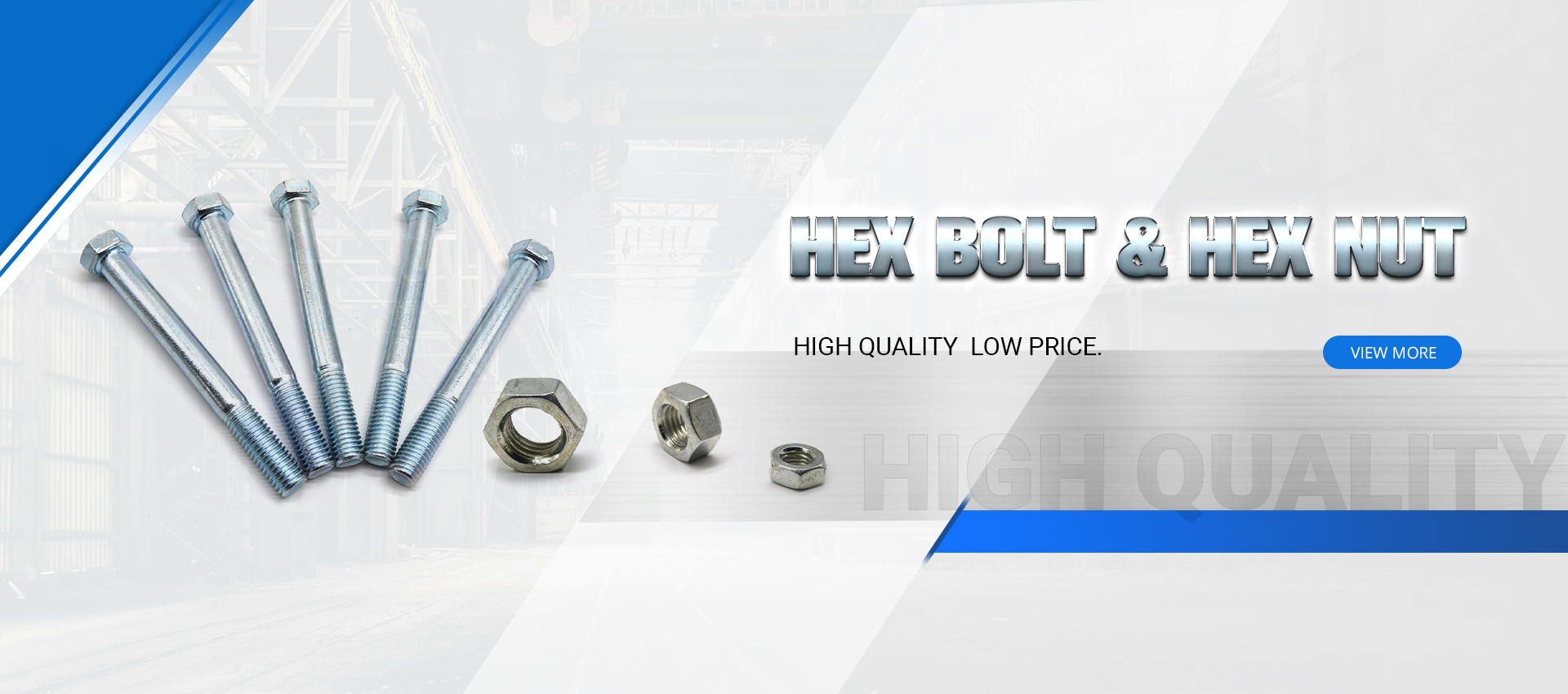
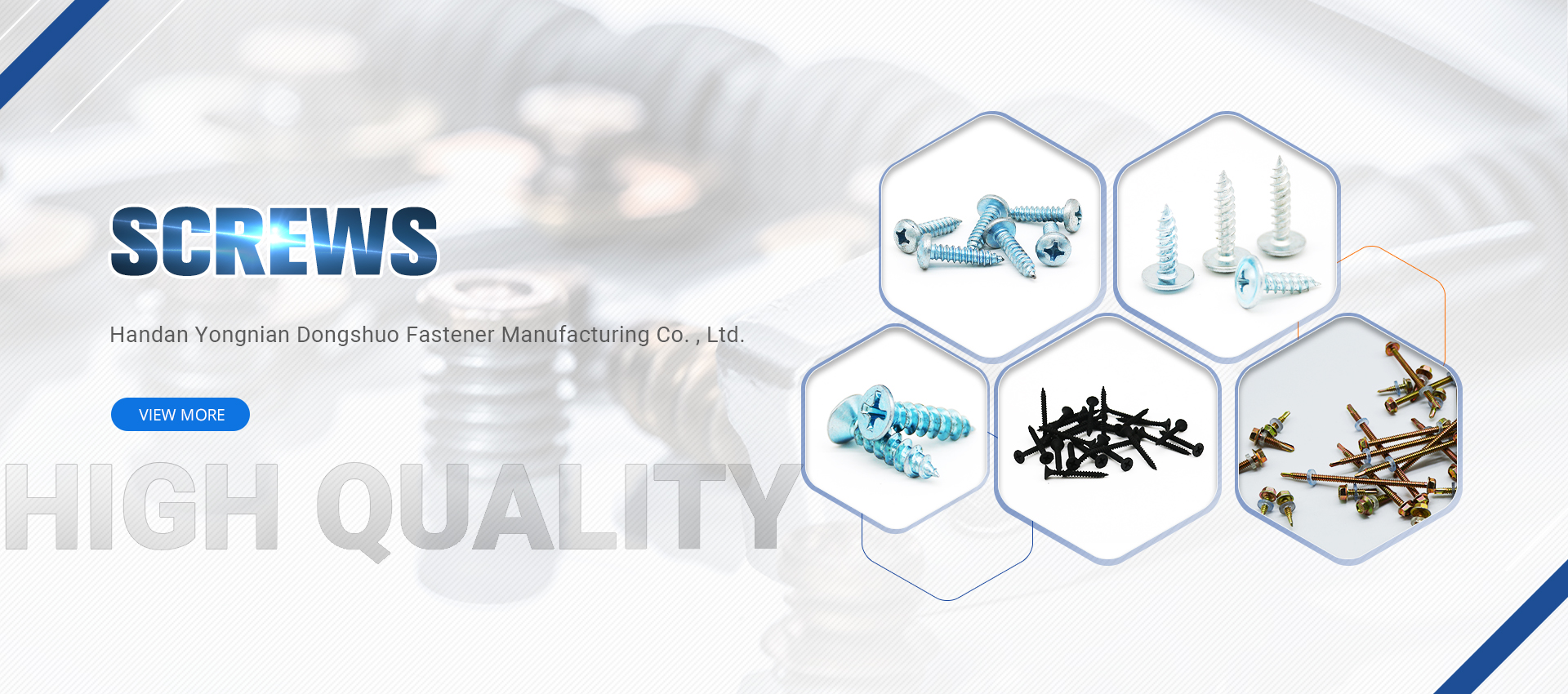
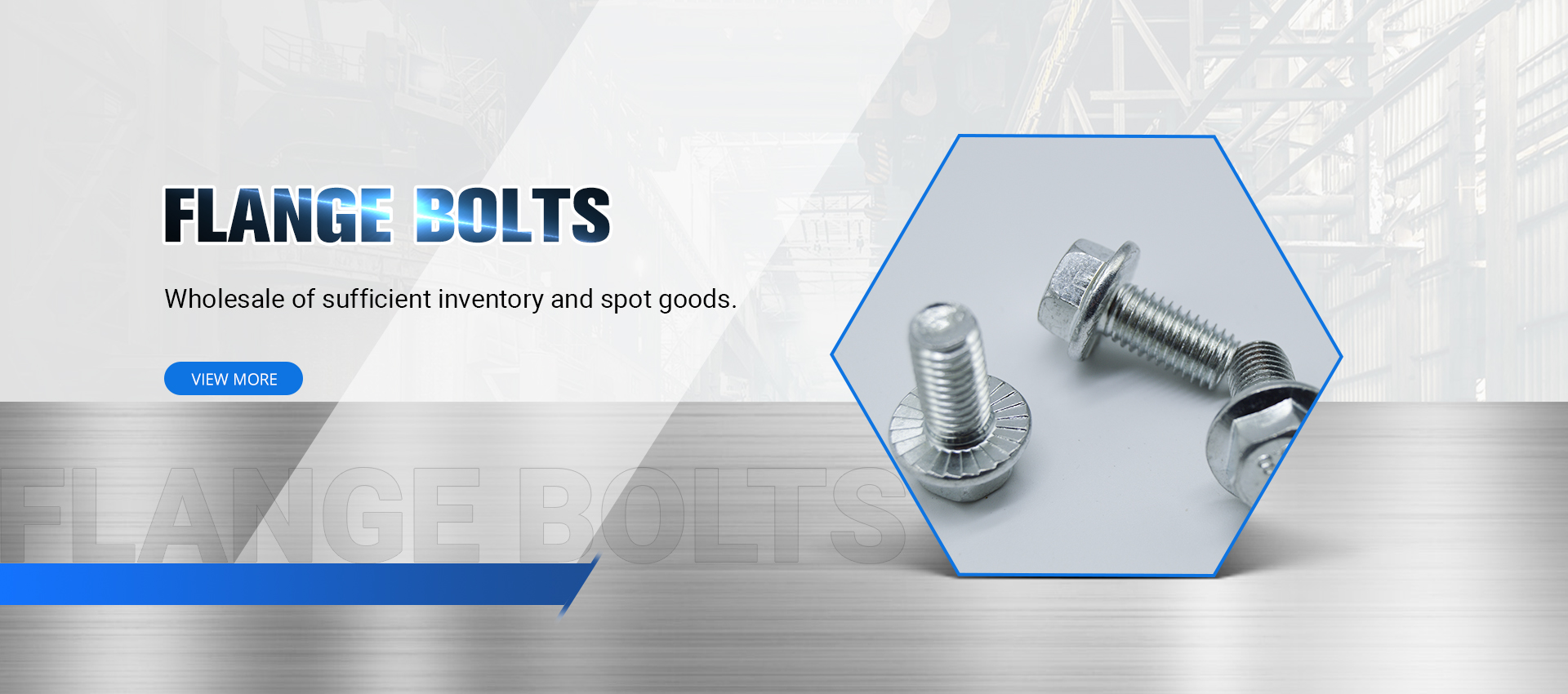
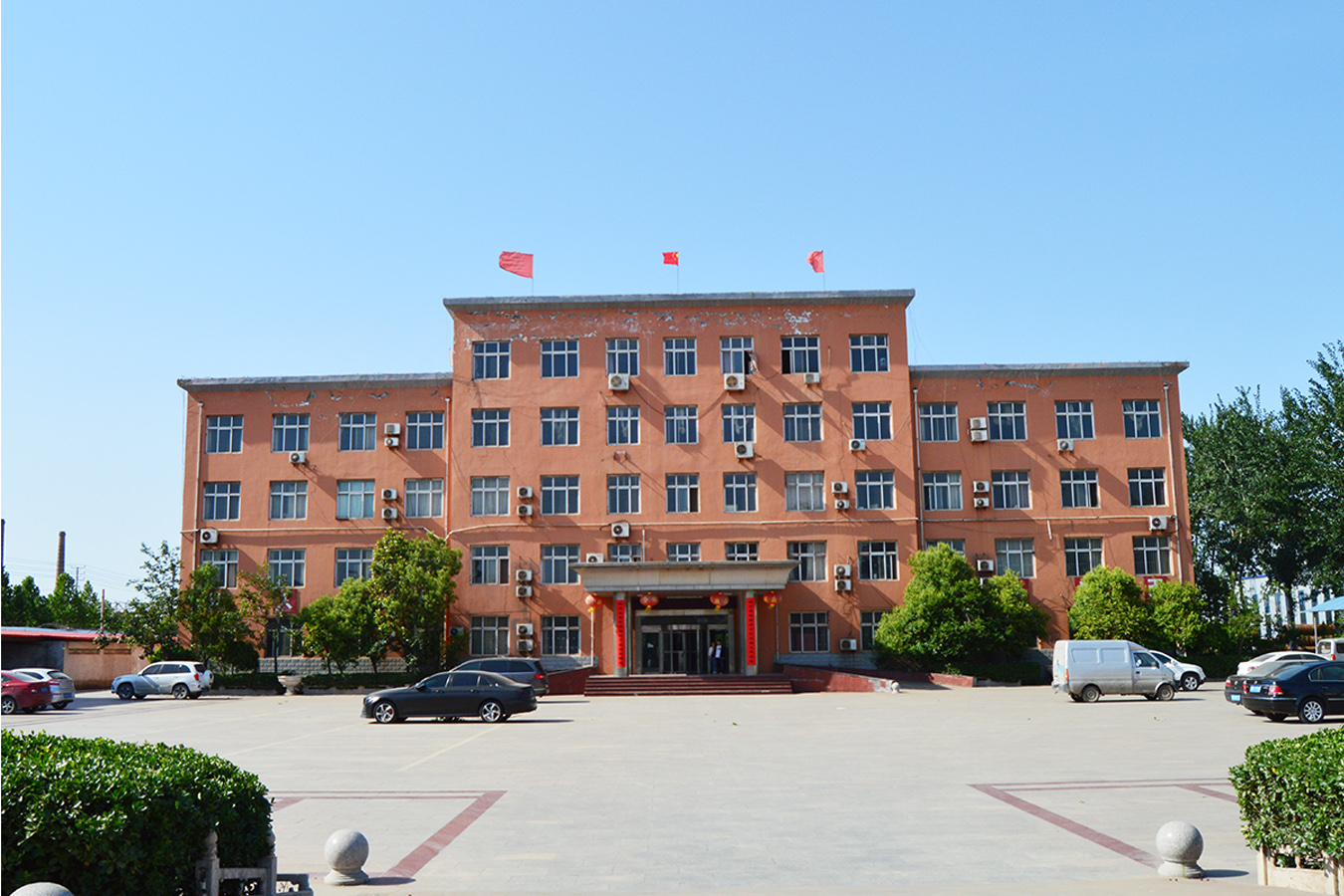
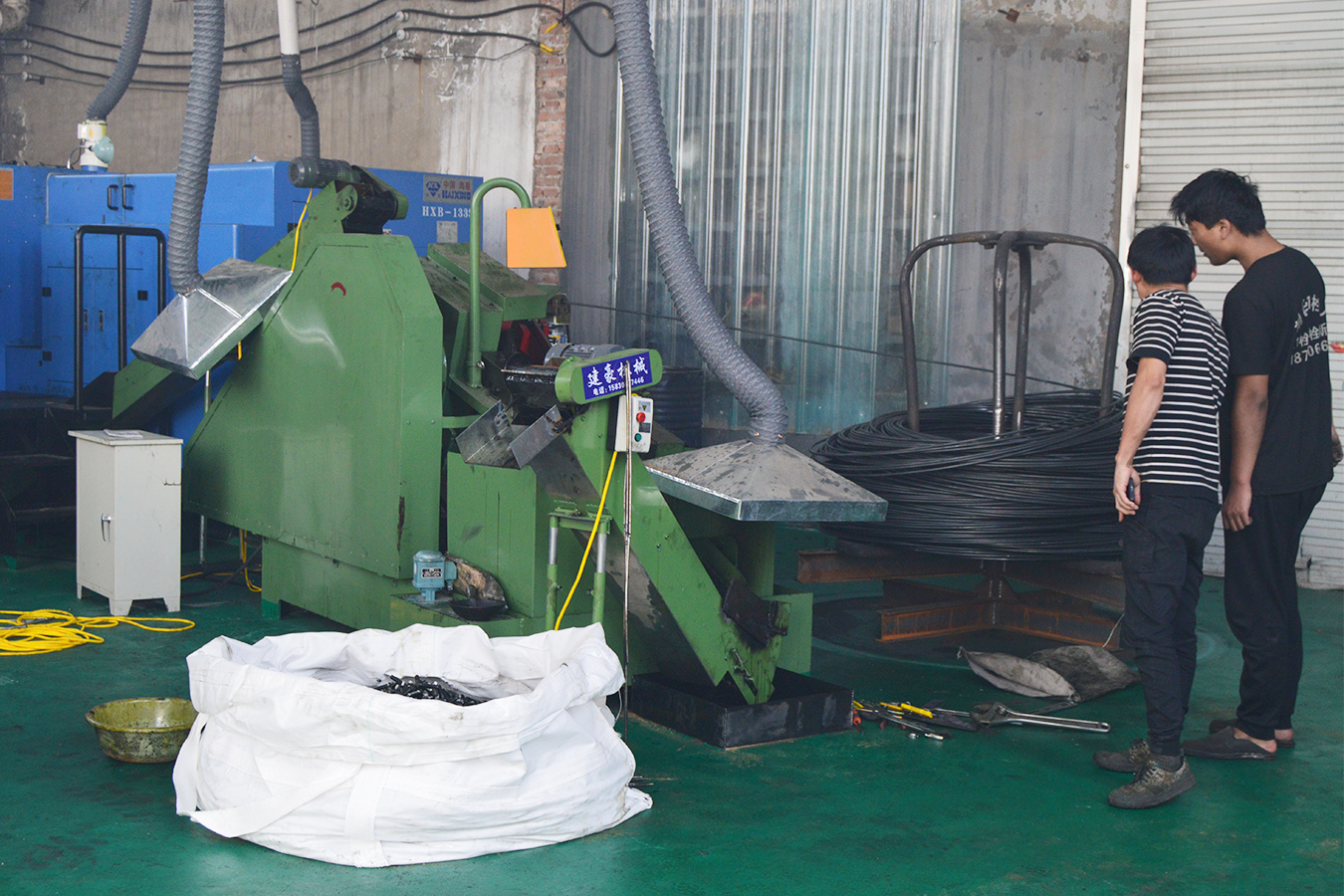
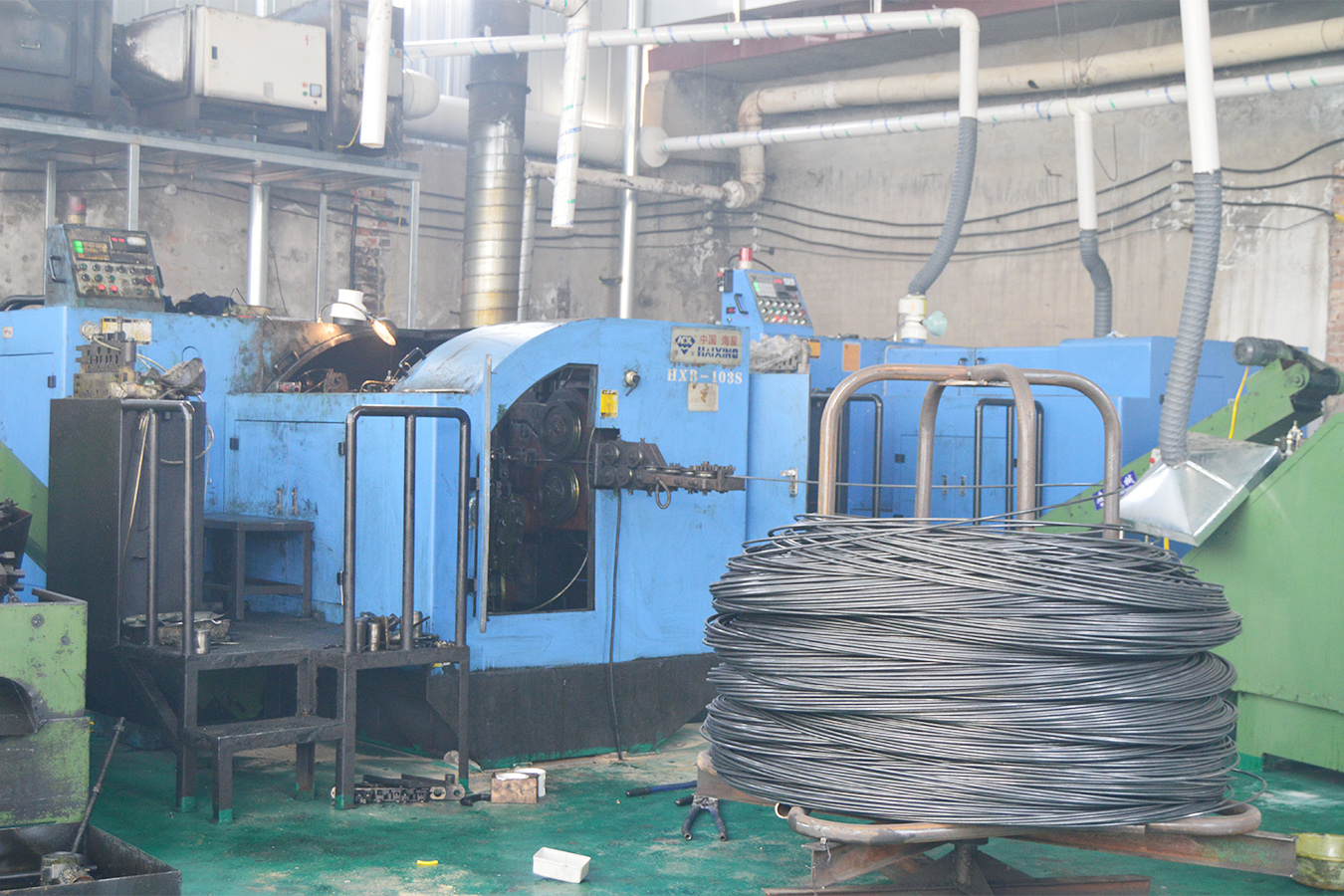
Handan Yongnian District Dongshuo Fastener Manufacturing Co., Ltd. was established in 2015. It is an enterprise specializing in the production and operation of fasteners. Our company is committed to providing high-quality fastener products and providing customers with comprehensive solutions in various industries.
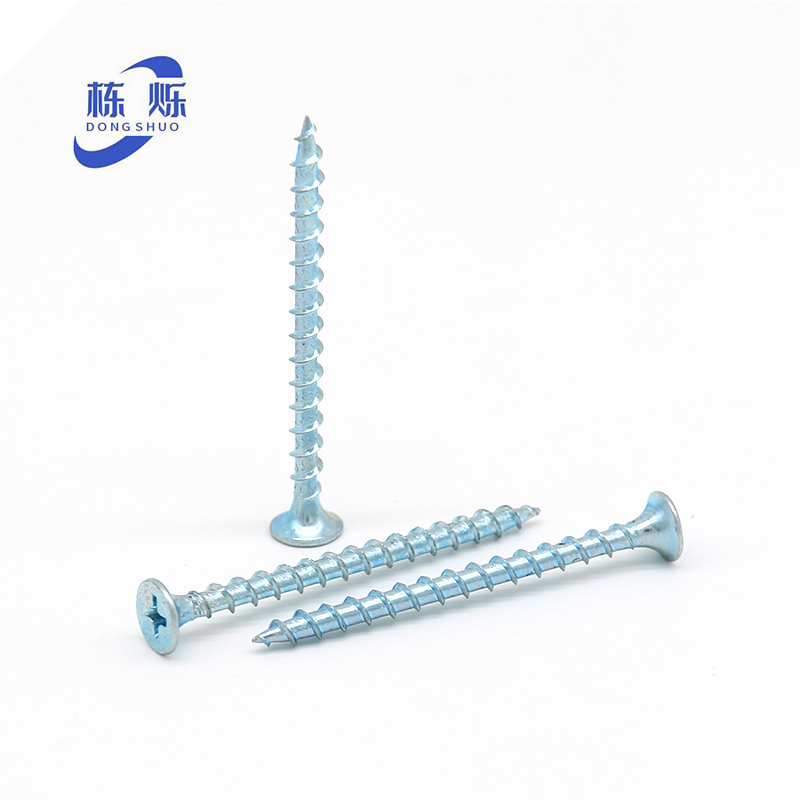
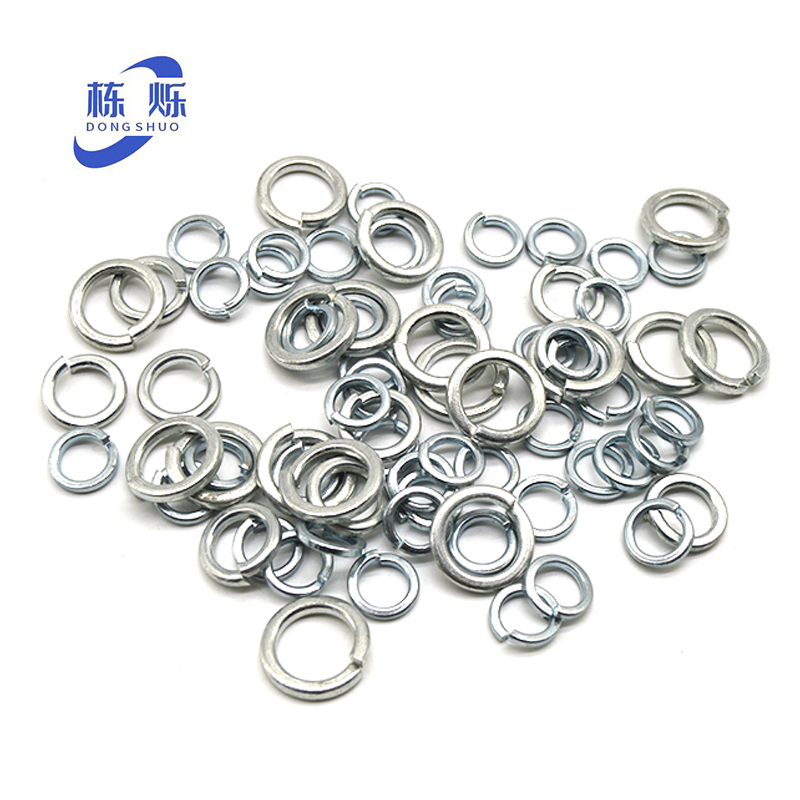
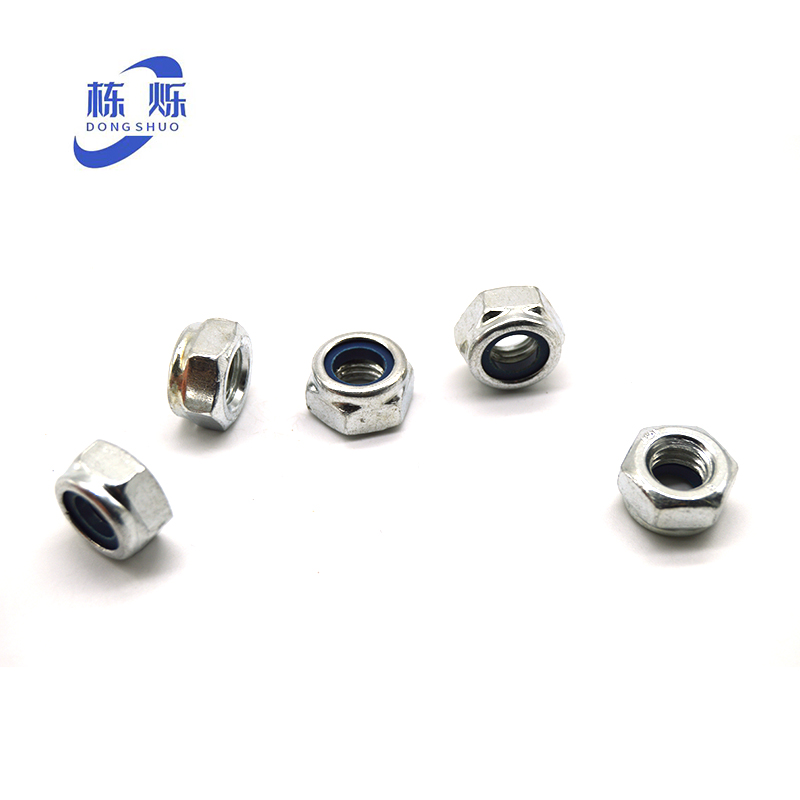
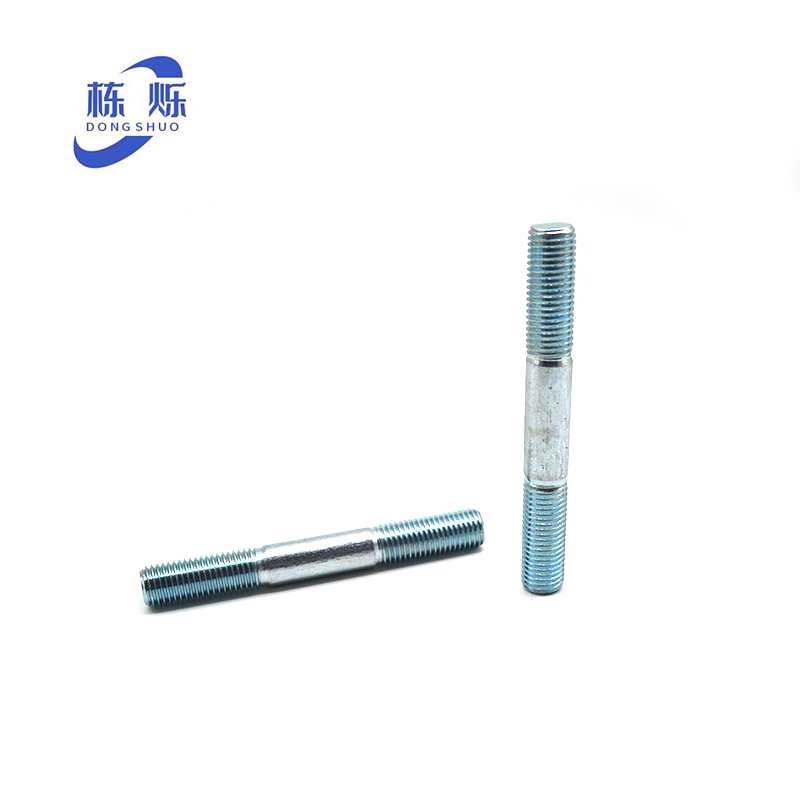
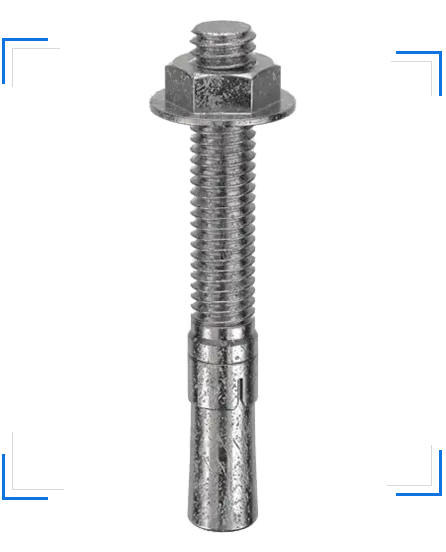
Get expert guidance for your maintenance and DIY projects
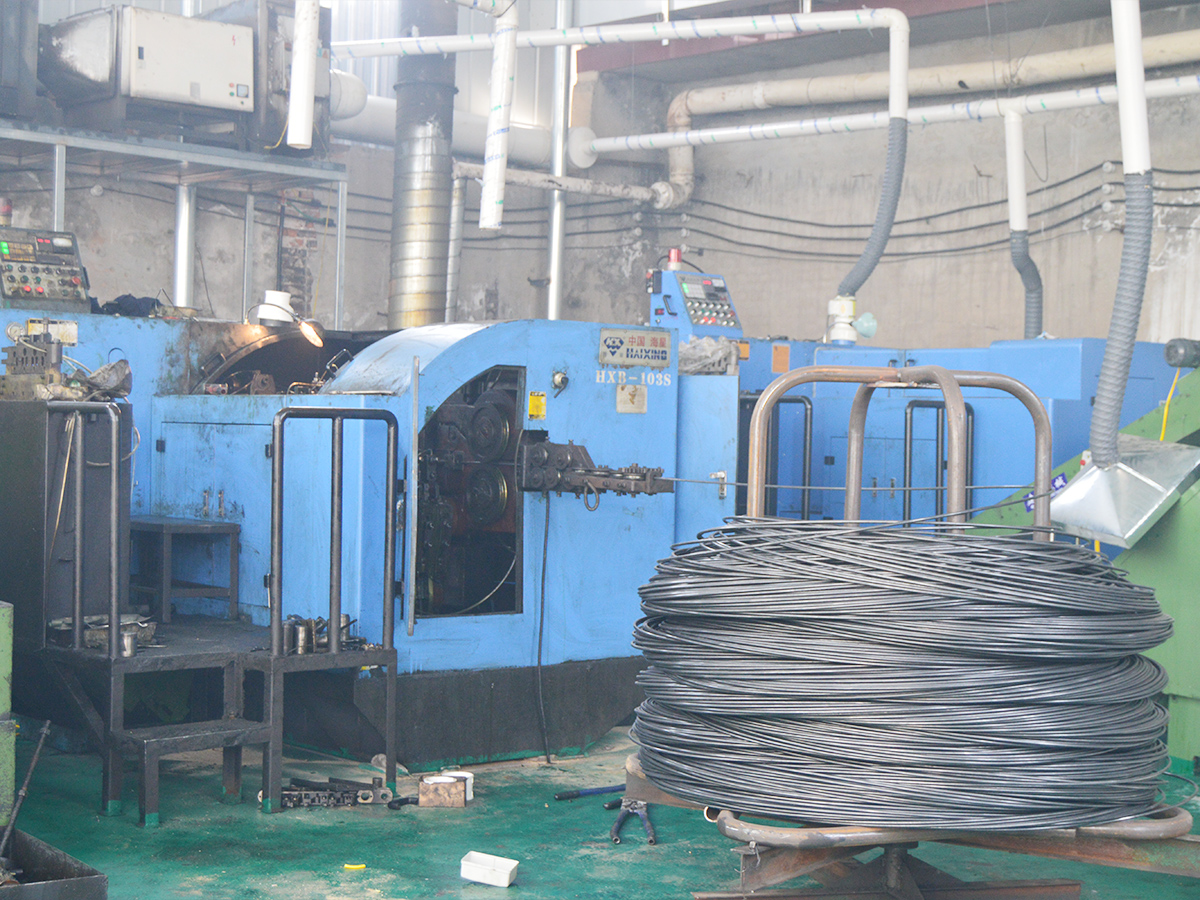
 Galvanized U-bolts, galvanized double headed bolts, customized with various irregular U-bolts
 Galvanized butterfly bolts, galvanized union bolts, grade 4.8, grade 8.8
 Galvanized din 6921 flange hexagon bolts
 Galvanized double-headed bolts, blackened double-headed bolts 4.8.8.8 grade