
Leave Your Message
In the contemporary landscape of civil engineering and massive infrastructure projects, the utilization of an Anchor For Drywall For Bridge & Structural Steelwork represents a highly specialized yet rapidly growing niche. Traditionally, drywall (gypsum board) and heavy structural steelwork were viewed as mutually exclusive domains. Steelwork is synonymous with load-bearing bridges, skyscraper skeletons, and heavy-duty industrial facilities. Drywall, conversely, is associated with lightweight interior residential or commercial partitioning. However, the modern industrial paradigm has aggressively merged these two materials.
Today, massive structural steel projects—such as suspension bridges, viaducts, offshore oil rigs, and industrial mega-factories—require functional, habitable, and technologically advanced interior spaces. Bridge operator cabins, toll plaza administrative rooms, electrical control rooms within steel frameworks, and architectural cladding all demand the interior finish of drywall mounted directly onto heavy-gauge steel studs or primary structural steel members. This creates a unique engineering challenge: fastening a relatively brittle material (drywall) to a high-tensile, dynamically shifting material (steel) without causing fracturing, pull-out, or galvanic corrosion.
The current commercial status dictates that standard drywall screws are entirely insufficient for these applications. The industry has pivoted towards highly engineered fasteners, such as the black grey phosphate bugle head self-tapping drywall screw. These specialized anchors and screws must possess extraordinary shear strength, exceptional drill-point hardness to penetrate structural steel, and advanced chemical coatings to withstand the harsh, corrosive environments typical of bridge infrastructure (such as salt fog, extreme humidity, and chemical exposure). The global market for these specialized industrial fasteners is experiencing a compound annual growth rate (CAGR) driven by the push for modular construction, where pre-fabricated steel rooms are fully finished with drywall interiors before being craned into position on bridges or structural frameworks.

Artificial Intelligence is revolutionizing the metallurgical design of fasteners. By simulating decades of bridge vibrations, AI algorithms optimize the thread pitch and bugle head geometry of drywall anchors to prevent micro-fractures in gypsum boards subjected to structural sway.

The shift towards advanced black grey phosphate and nano-ceramic coatings ensures that drywall anchors used in structural steelwork do not become points of galvanic corrosion. These engineered barriers protect the integrity of both the anchor and the bridge's steel framework.

Manufacturing processes now utilize automated optical inspection (AOI) powered by machine learning to ensure every single self-tapping drywall screw has a flawless drill point, guaranteeing consistent penetration into high-yield structural steel without pre-drilling.
Looking forward, the development trends for an Anchor For Drywall For Bridge & Structural Steelwork are heavily focused on vibration dampening and thermal expansion compatibility. Bridges are dynamic structures; they expand in the summer heat, contract in the winter cold, and vibrate continuously under the load of heavy vehicular traffic. When drywall is anchored to these structures, the fasteners act as the critical bridge between the rigid steel and the fragile gypsum.
Emerging trends include the integration of micro-elastomeric collars beneath the bugle head of the screw. This technology, currently in advanced testing phases, allows the screw to hold the drywall firmly against the steelwork while absorbing high-frequency vibrations that would normally cause the drywall compound to crack or the screw to pop. Furthermore, smart manufacturing facilities are utilizing IoT (Internet of Things) sensors on cold-heading machines to monitor the forging pressure of every single screw in real-time, ensuring zero defects in batches destined for critical infrastructure projects.
To truly understand the necessity of specialized drywall anchors in heavy civil engineering, we must dissect the specific application scenarios where these two vastly different materials intersect. The application of an Anchor For Drywall For Bridge & Structural Steelwork is not merely about hanging a wall; it is about creating safe, insulated, and acoustically sound environments within extreme industrial zones.
Drawbridges, lift bridges, and massive suspension bridges require on-site operational personnel. The operator cabins are typically welded directly to the primary structural steelwork. To protect operators from extreme noise, cold, and heat, these cabins are framed with steel studs and lined with high-density, fire-rated drywall. The fasteners used here—such as the black grey phosphate self-tapping bugle head screws—must pierce thick steel effortlessly while providing a flush finish for the drywall. The anchors must withstand the constant, rhythmic vibration of thousands of tons of steel moving daily without loosening over a 50-year lifespan.
Modern toll plazas are often constructed using a structural steel canopy and heavily reinforced steel booths to protect workers from vehicular impact. The interiors of these booths are finished with drywall for electrical routing, insulation, and aesthetics. The drywall anchors used in these structural steelwork scenarios must offer rapid installation capabilities. Self-tapping tips are mandatory to keep construction timelines aggressive, reducing the labor costs associated with pre-drilling hardened steel framing.
In skyscraper construction, the core is structural steel. Elevator shafts, emergency stairwells, and mechanical rooms are enclosed using heavy-duty, fire-resistant gypsum panels fastened directly to the structural steel beams or heavy-gauge secondary framing. The drywall anchors used here are critical life-safety components. In the event of a fire, the structural integrity of the drywall barrier relies entirely on the high-temperature resilience of the drywall anchors. The phosphate coating not only prevents rust during the open-air construction phase but also provides a stable surface for fire-caulking and joint compounds to adhere to.
Train stations, airport terminals, and subway hubs utilize massive exposed structural steelwork. To manage echoes and noise pollution, acoustic drywall panels are suspended from or anchored to this steelwork. The fasteners must carry the heavy dead-load of dense acoustic gypsum while resisting the aerodynamic pressure changes caused by high-speed trains or aircraft. The bugle head design of the specialized drywall screw is crucial here, as it distributes the load across a wider area of the drywall paper face, preventing tear-through under intense pressure fluctuations.

With years of dedicated expertise in the fastener industry, our professional engineering team understands the stringent requirements of bridge and structural steelwork projects, ensuring every anchor meets international civil engineering standards.

We employ eco-friendly phosphate coating processes that minimize environmental impact while maximizing the anti-corrosion lifespan of our drywall anchors, contributing to sustainable and long-lasting infrastructure.

Rigorous AI-assisted quality control protocols guarantee that every self-tapping screw delivers exceptional drill-point sharpness, torsional strength, and thread integrity for flawless application in heavy steelwork.
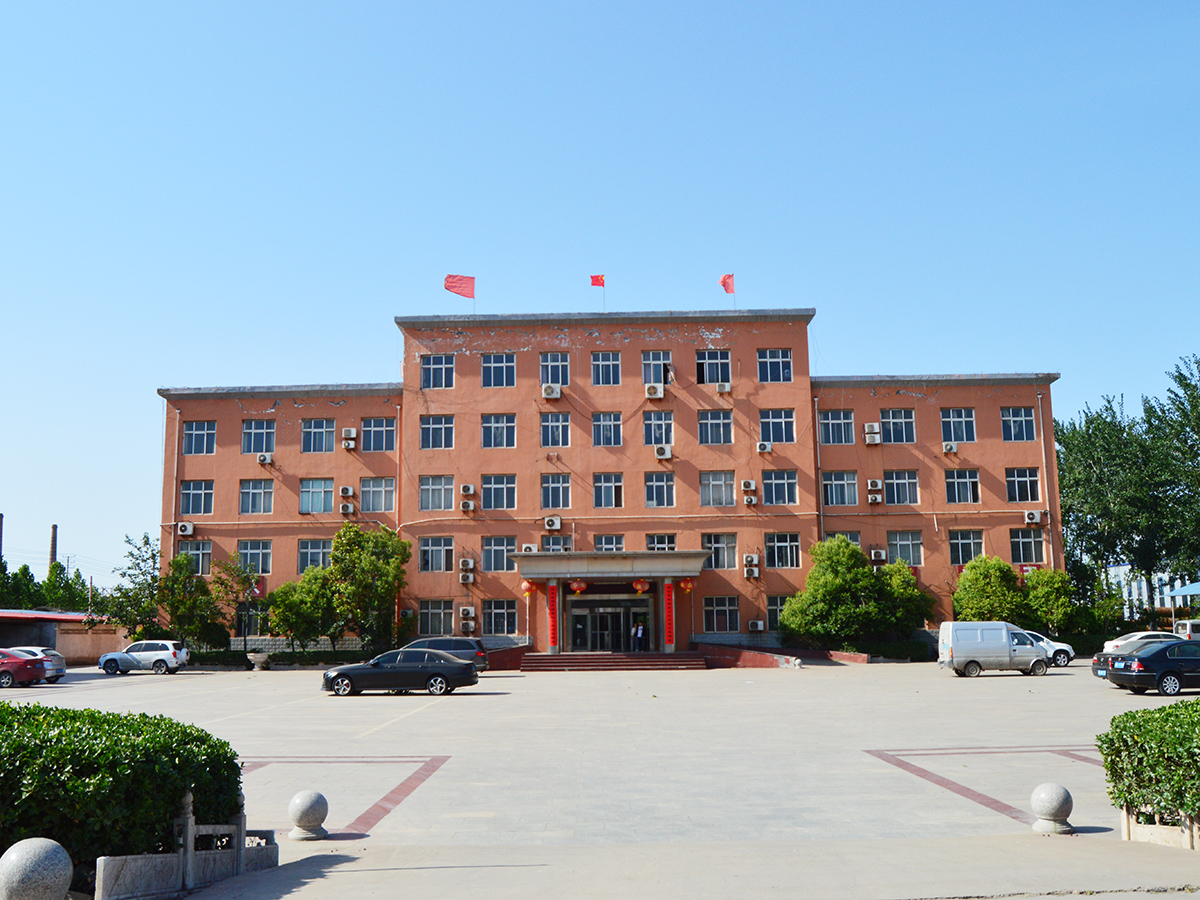
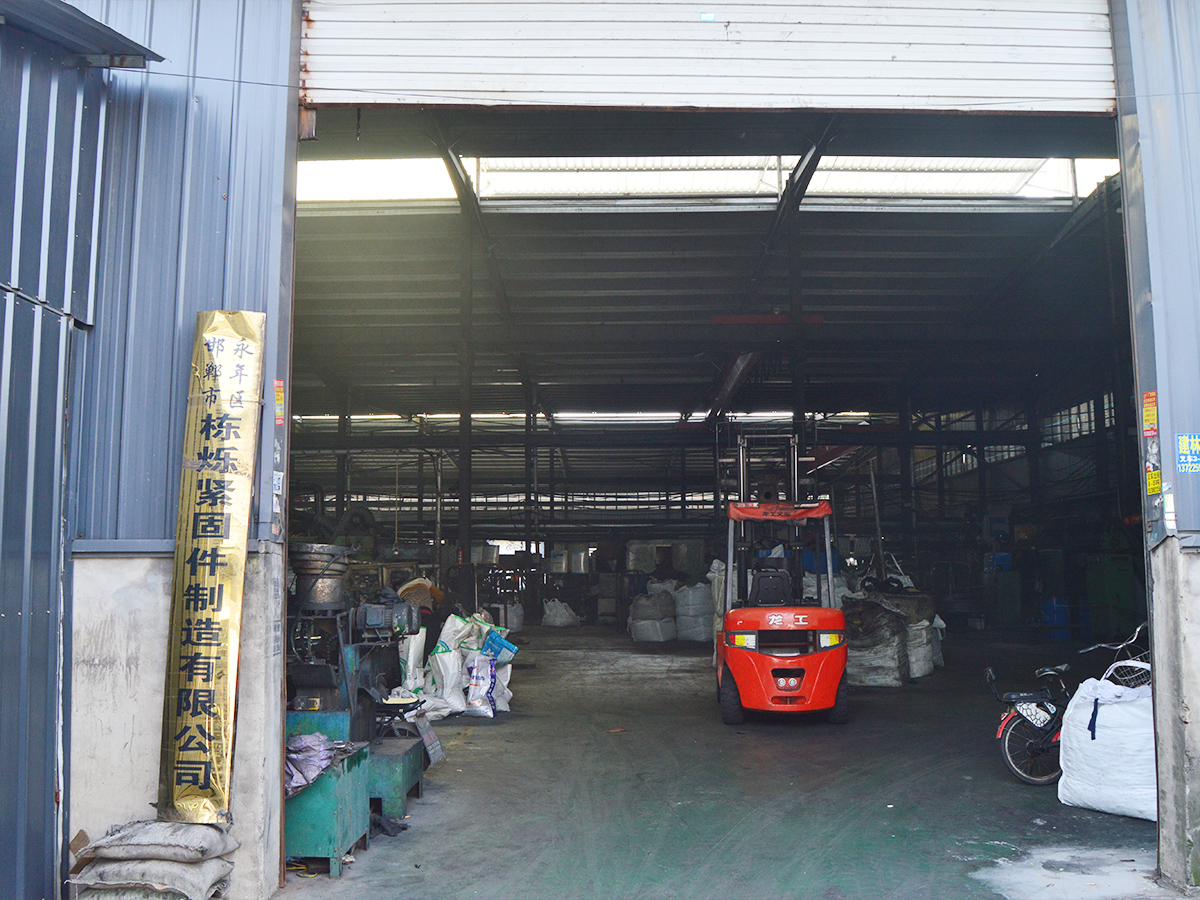
Handan Yongnian District Dongshuo Fastener Manufacturing Co., Ltd. was established in 2015. It is an enterprise specializing in the production and operation of highly engineered fasteners. Our company is committed to providing high-quality fastener products and providing customers with comprehensive solutions in various industries, particularly in the demanding sectors of bridge construction and heavy structural steelwork.
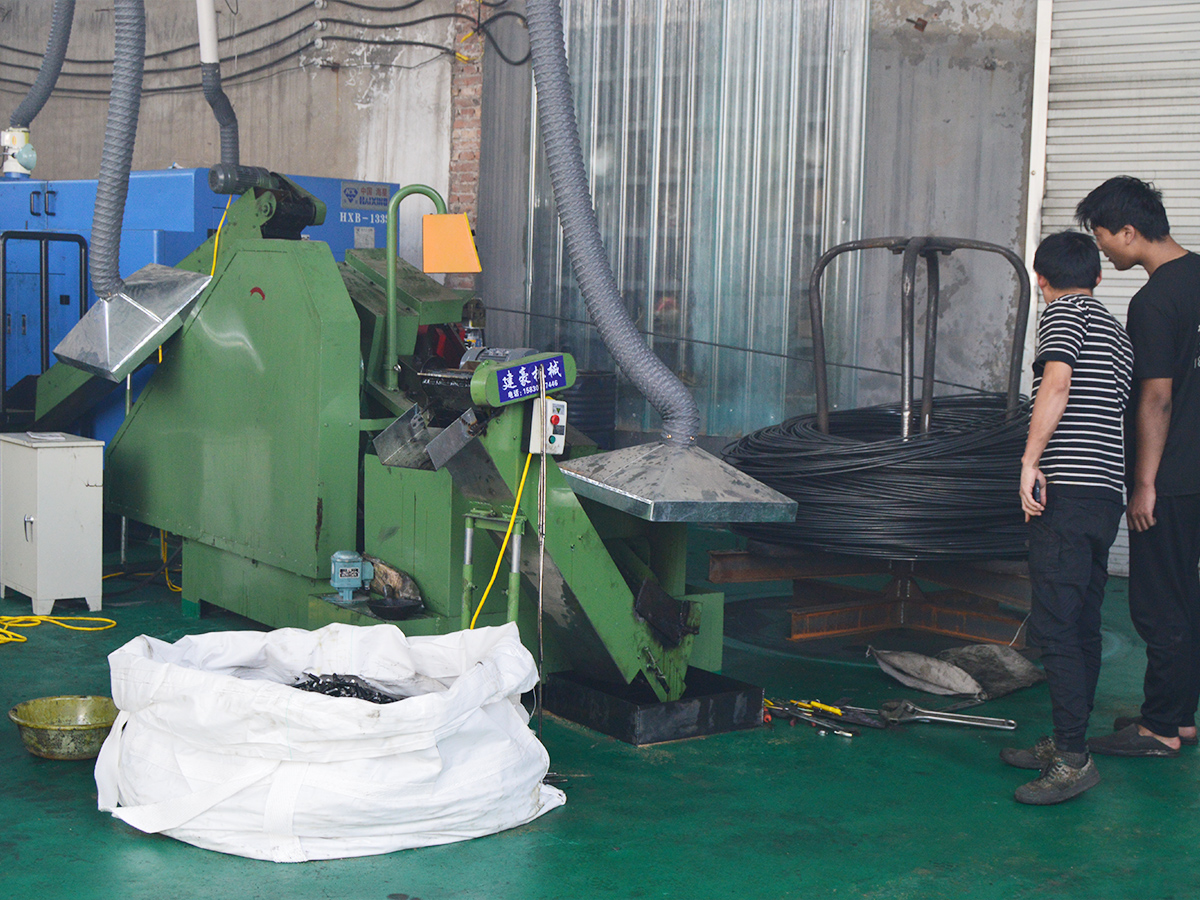
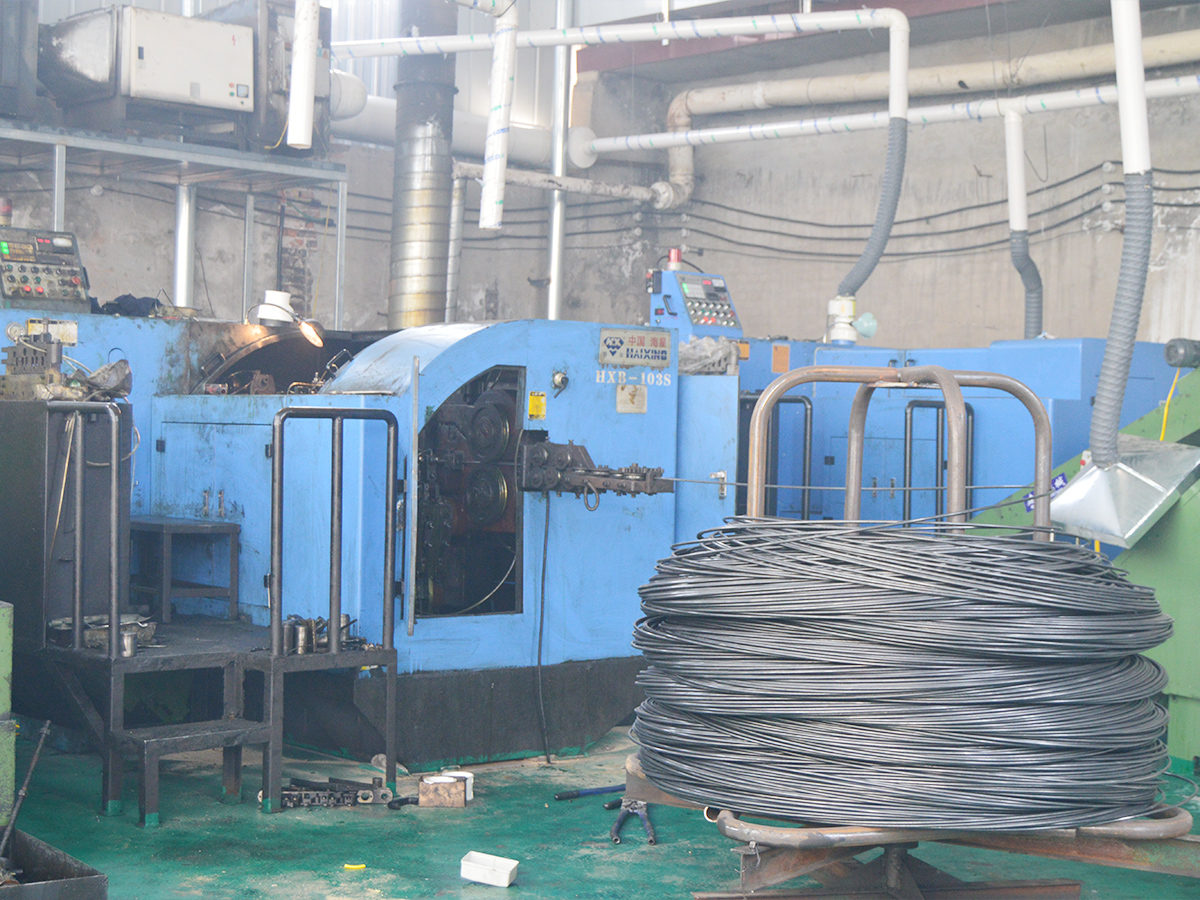
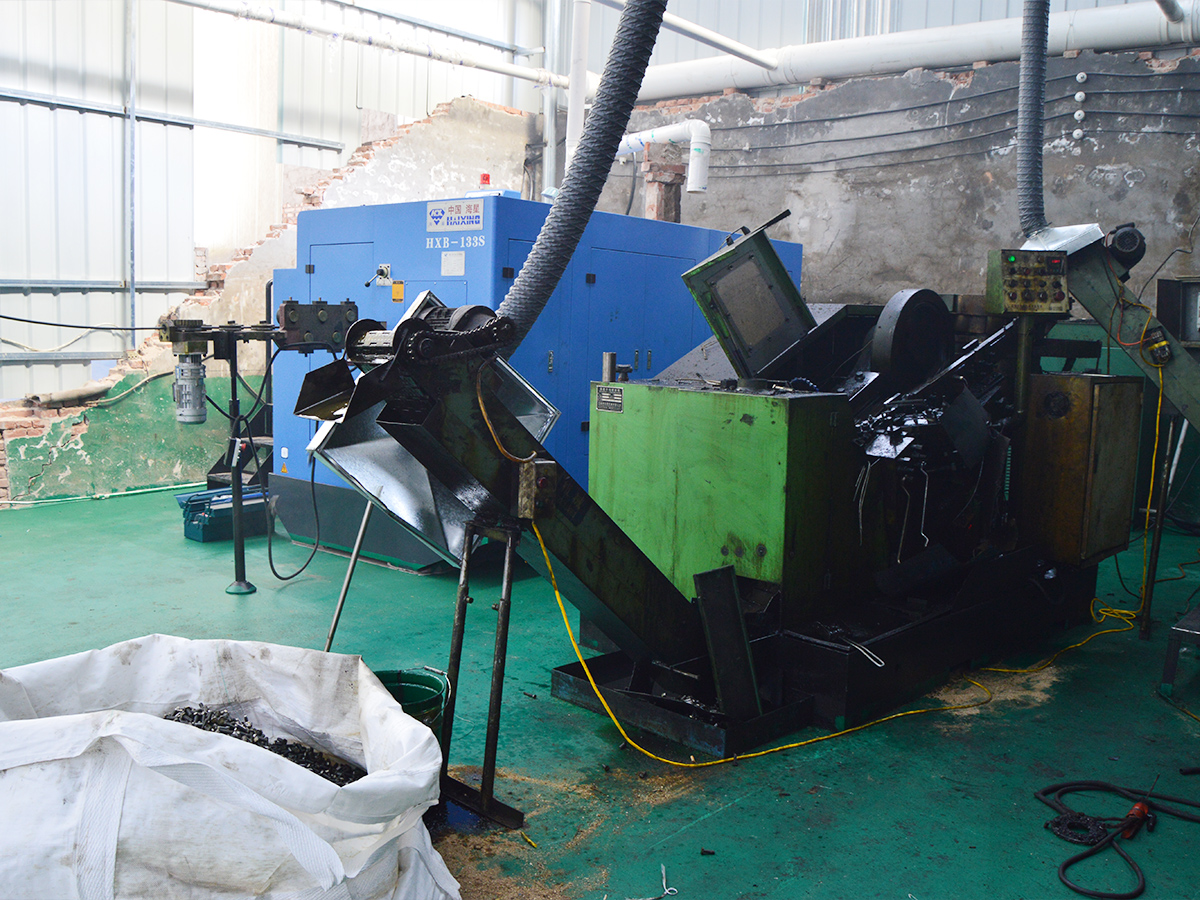
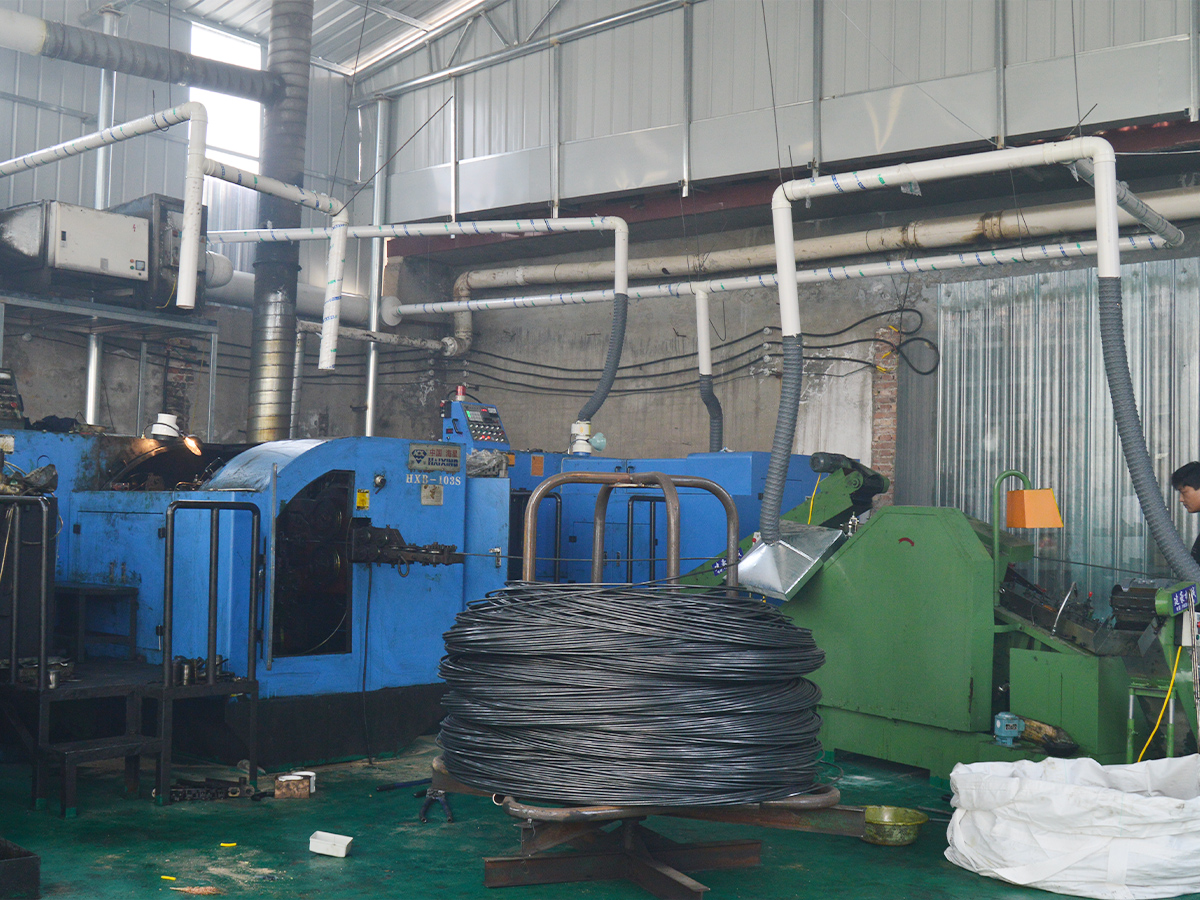
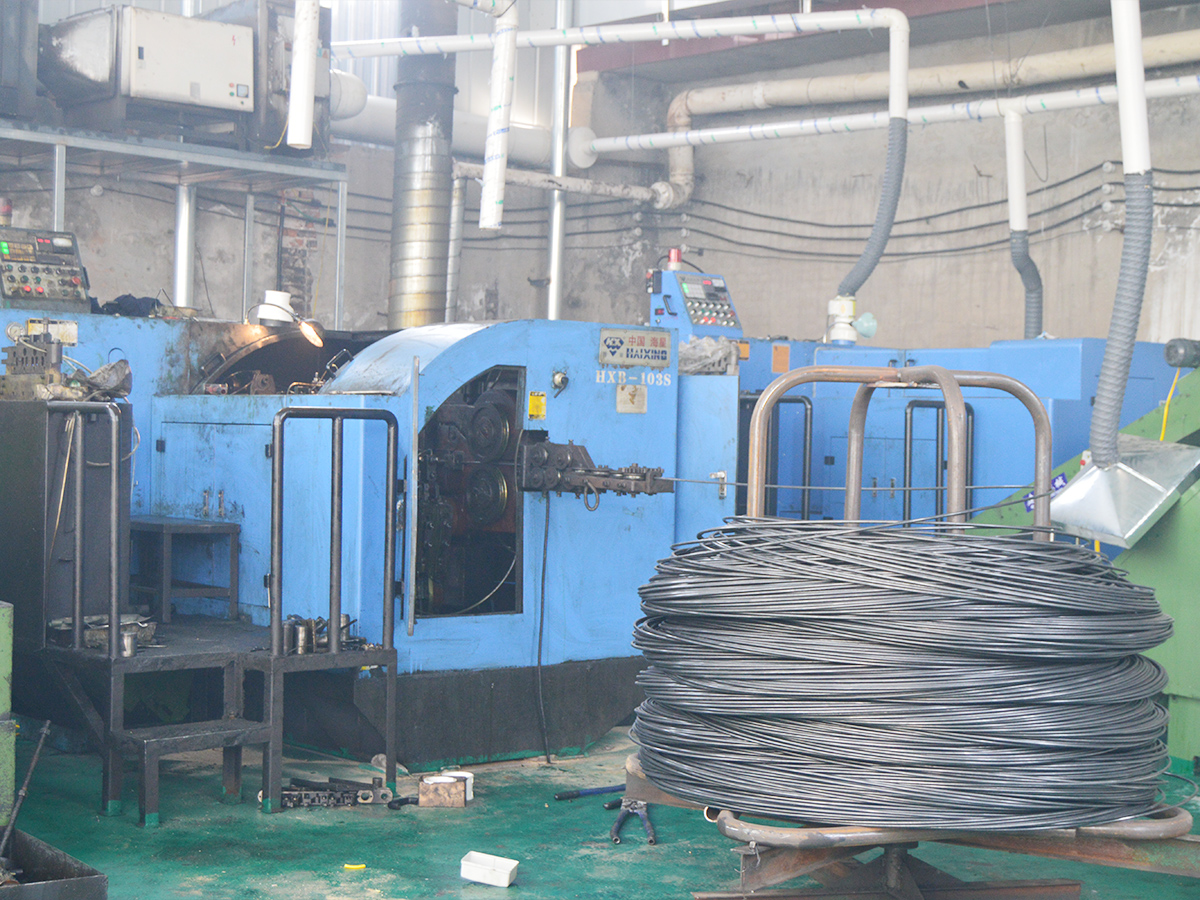
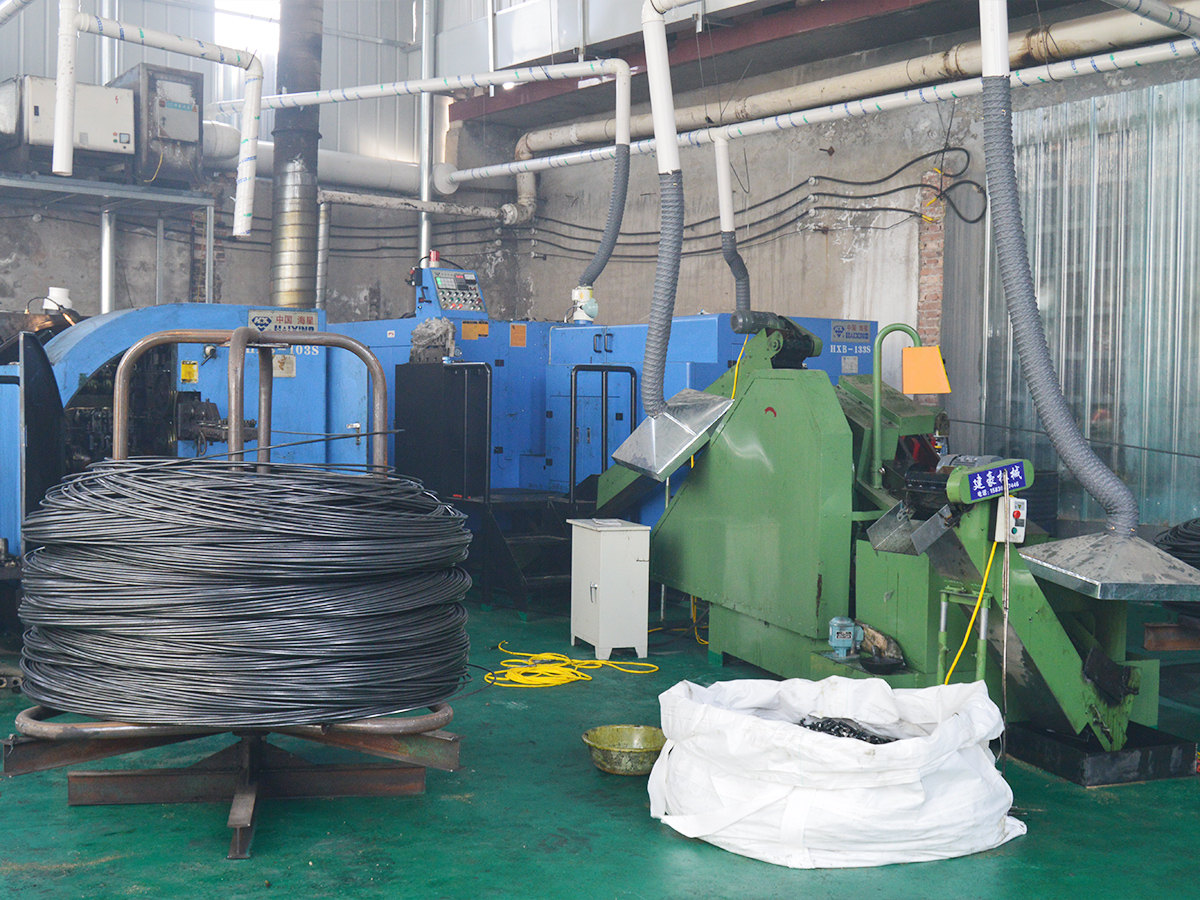
As a reputable fastener manufacturer, we have advanced production equipment and a professional technical team to meet our customers' needs for different types of fasteners. When it comes to manufacturing an Anchor For Drywall For Bridge & Structural Steelwork, our facilities utilize state-of-the-art cold heading machines, precision thread rollers, and advanced heat-treatment furnaces to ensure maximum tensile strength and drill-point efficacy.
Our signature black grey phosphate bugle head self-tapping drywall screws are trusted by infrastructure developers globally. We understand that a fastener is not just a piece of metal; it is the critical link that holds modern engineering marvels together. Through relentless innovation and strict adherence to ISO quality management systems, Dongshuo Fastener Manufacturing continues to lead the industry in hybrid construction fastening solutions.
Understanding the technical specifications of drywall anchors in structural steelwork is crucial for engineers, architects, and procurement specialists. Here we address the most critical aspects of this specialized fastening technology.
Black grey phosphate is a conversion coating that alters the surface of the steel screw. In bridge and structural steelwork, moisture control is difficult. Phosphate coatings provide an excellent crystalline base that absorbs and holds anti-rust oils and paints. Furthermore, it creates a micro-porous surface that allows drywall joint compound (mud) to adhere perfectly to the screw head, preventing "popping" or rusting through the finished painted wall inside bridge control rooms.
Unlike flat or pan-head screws, the bugle head features a smooth, curved taper under the head. When fastening drywall to rigid structural steel, the steel does not yield. If a flat head screw is driven in, it tears the paper face of the drywall, destroying its holding power. The bugle head compresses the paper and gypsum core smoothly without tearing, creating a strong, countersunk hold that can withstand the negative wind pressures often experienced in high-altitude bridge cabins or skyscraper shafts.
Yes, our highly engineered self-tapping drywall screws are specifically designed with a hardened drill point (often referred to as a Tek tip) that acts as a built-in drill bit. Through precise heat treatment, the tip achieves a Rockwell hardness capable of shaving away heavy-gauge structural steel, tapping its own mating threads, and securing the drywall in one seamless operation. This drastically reduces labor time on massive infrastructure projects.

Handan Yongnian District Dongshuo Fastener Manufacturing Co., Ltd. Specializing in high-performance anchors for drywall, bridge construction, and structural steelwork since 2015.
